 By Siam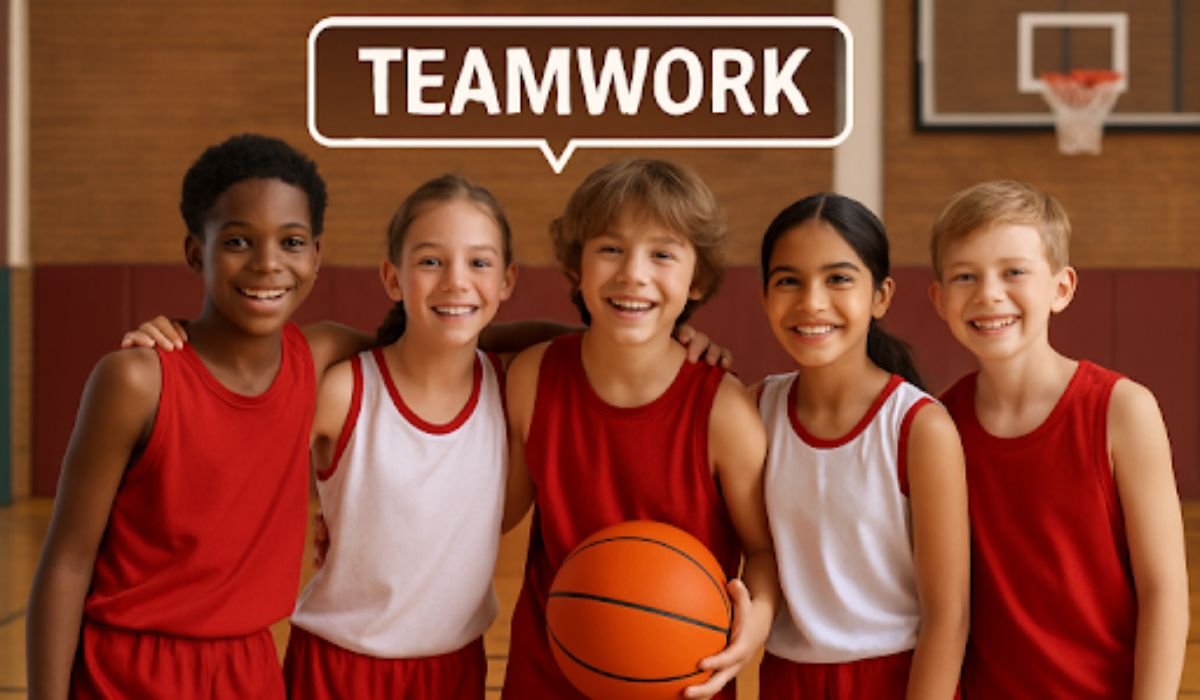
Youth basketball programs do far more than offer energetic games and practice drills. They help young athletes develop vital life skills that carry over to their academic pursuits, future workplaces, and everyday interactions. By participating in team-oriented environments like Sharks Basketball Academy, aspiring players gain invaluable life lessons in a supportive and structured setting. These benefits make basketball programs a strong foundation for positive youth development and help launch individuals toward lifelong success.
Community-driven teams help children develop communication, collaboration, and resilience. Coaches emphasize technical skills alongside personal growth, teaching sportsmanship and respect both on and off the court. Consequently, basketball becomes more than just a sport; it helps instill values and boost confidence in young people. Parents view youth basketball as a comprehensive activity where teens can find identity and a sense of belonging, learn responsibility, and cultivate grit and adaptability for school, relationships, and future careers. Additionally, the sport benefits local communities by enhancing cohesion and reducing risky behaviors through inclusive, disciplined, civic-minded programs that promote fitness and well-being.
Basketball is the epitome of a team sport. Players quickly learn that success is not determined by individual effort alone, but by united action and communication. Young athletes understand how to coordinate with teammates, listen to one another, and strategize collectively. These fundamental skills transfer to group projects at school, future employment, and even community service work. By recognizing and respecting team members’ strengths, participants cultivate emotional intelligence and empathy, two attributes that remain invaluable throughout a lifetime.
Participation in a basketball league or club involves time-intensive training sessions, travel for games, and regular team meetings. These routines teach children discipline and how to uphold commitments. Managing schoolwork alongside sports requires planning and efficient use of time, instilling habits that benefit them long after the season ends. Young athletes involved in sports demonstrate stronger organizational skills and better academic outcomes compared to non-athletes.
Sports, like life, come with inevitable setbacks. Players face tough opponents, go through performance slumps, and experience the disappointment of losses. Through basketball, children learn to handle adversity with grace, viewing failures as opportunities to reflect and improve. This capacity to bounce back from challenges fosters a growth mindset, encouraging lifelong learning and problem-solving. The process of adapting game strategies in real-time also teaches flexibility, preparing kids for the curveballs they will encounter in adulthood.
Basketball is a comprehensive workout, providing cardiovascular benefits, building muscle strength, and improving coordination. Regular play reduces the risk of obesity and related chronic conditions. Beyond physical health, student-athletes also experience better mental well-being, with exercise helping decrease symptoms of anxiety and depression. The Centers for Disease Control and Prevention (CDC) emphasizes that youth participation in sports correlates with improved self-esteem and overall wellness, underscoring the holistic benefits of staying active.
Youth basketball naturally enhances social competencies. Players interact with coaches, opponents, and referees, learning to resolve conflicts, build friendships, and practice sportsmanship. Community-based programs, like the YMCA’s Junior Cavs, create inclusive spaces where children can feel valued and connected. These environments nurture ethical behavior and responsibility.
Initiatives targeting youth engagement have had a powerful impact on communities. Midnight Basketball, launched in the late 1980s, provided safe nighttime activities for at-risk teenagers during hours when youth-related crime was most common. Academic studies and local reports highlighted the program’s effectiveness in reducing crime rates and fostering a positive atmosphere in participating cities.
Today’s youth basketball organizations champion inclusivity, personal growth, and lifelong wellness. The National Academy of Athletics is a leader in this field, offering programs that emphasize both skill development and character education. By prioritizing confidence, teamwork, and respect, these organizations inspire young players to be leaders off the court as well. As featured by Digital Journal, their efforts are helping reshape the future of youth athletics nationwide, making positive youth development accessible for all backgrounds.
Youth basketball programs have a far-reaching influence that extends well beyond the scoreboard. By participating in these initiatives, children and teenagers gain essential tools for personal and academic growth, while building physical fitness and emotional resilience. These lifelong skills position them to become proactive, thoughtful, and healthy adults who contribute positively to their communities. Basketball, therefore, is not only a sport but a powerful catalyst for shaping the next generation of leaders and engaged citizens.
YOU MAY ALSO LIKE: Zuyomernon System Basketball: Ultimate Guide for Coaches and Teams
 John Arthur
  Bemi Brooks