 By Prime Star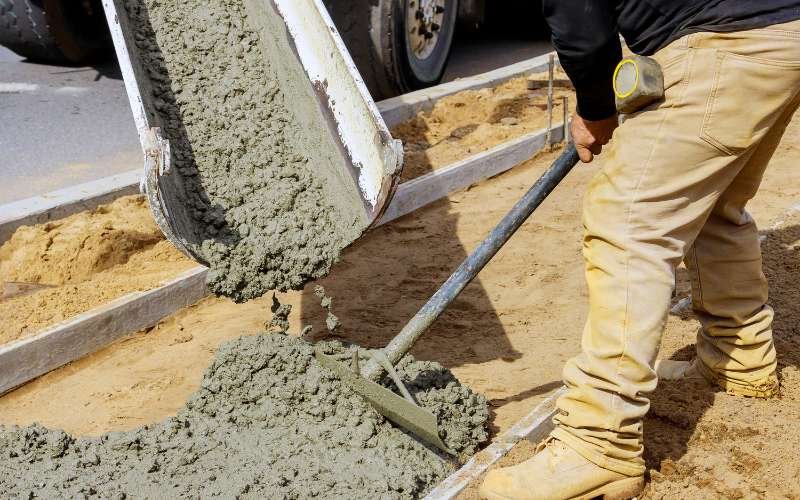
Creating the perfect concrete patio is an art that demands precision, knowledge, and careful execution. Homeowners often dream of a beautiful outdoor space that enhances their property’s value and provides a perfect area for relaxation and entertainment. However, the journey from conception to a flawless concrete patio is fraught with potential pitfalls that can turn your dream project into a nightmare. Many DIY enthusiasts and even some professionals fall prey to common mistakes that compromise the durability, appearance, and functionality of their concrete patio. Understanding these potential errors can save you time, money, and frustration, ensuring a stunning outdoor space that stands the test of time and weather.
Skipping Proper Ground Preparation
Ground preparation is the foundation of any successful concrete patio project, yet it’s a step many homeowners carelessly overlook. Imagine spending thousands of dollars on a beautiful concrete surface, only to watch it crack, sink, or become uneven within months. According to an experienced concrete contractor proper ground preparation begins with thorough excavation, removing all organic matter, roots, and unstable soil. Professionals recommend digging at least 4-6 inches deeper than the planned concrete thickness, creating a stable base that can support the weight of the concrete and future use. The excavated area must be carefully leveled and compacted, using professional-grade compaction equipment to create a solid, uniform surface. Many DIY enthusiasts mistakenly believe that simply clearing the ground is sufficient, but this approach leads to inevitable structural problems that can compromise the entire patio’s integrity.
Using the Wrong Concrete Mix
Selecting the appropriate concrete mix is a critical decision that directly impacts your patio’s longevity and performance. Not all concrete mixes are created equal, and using the wrong type can lead to disastrous results. For outdoor patios, you’ll want a mix with the right strength, typically between 3000-4000 PSI, that can withstand temperature fluctuations, heavy foot traffic, and potential exposure to moisture. Climate plays a significant role in mix selection – regions with freeze-thaw cycles require special consideration. Some homeowners make the mistake of using a generic concrete mix without considering local environmental conditions. Water-to-cement ratio is another crucial factor that amateur contractors often miscalculate. Too much water weakens the concrete, while too little makes it difficult to work with and can create air pockets that compromise structural integrity.
Pouring Concrete at the Wrong Time or Weather
Timing and weather conditions are paramount when pouring a concrete patio. Concrete is sensitive to environmental conditions, and pouring it at the wrong time can lead to catastrophic results. Ideal concrete pouring temperatures range between 50-80 degrees Fahrenheit, with minimal wind and no precipitation. Extreme heat causes rapid water evaporation, leading to quick drying and potential cracking, while cold temperatures can prevent proper curing and weaken the concrete’s structure. Many DIY enthusiasts underestimate the impact of temperature and humidity, attempting to pour concrete during unsuitable conditions. Professional contractors recommend avoiding concrete work during mid-day summer heat or during cold winter months. Morning or late afternoon hours provide the most stable conditions for concrete pouring, allowing for proper setting and minimal environmental interference.
Ignoring Proper Slope and Drainage
Proper slope and drainage are often overlooked aspects of concrete patio construction that can lead to significant water-related issues. A well-designed patio should have a slight slope – typically 1/4 inch per foot – to ensure water effectively drains away from your home’s foundation. Failing to create appropriate drainage can result in water pooling, potential structural damage, and creating breeding grounds for moss and algae. Many homeowners mistakenly create a completely flat surface, which leads to water accumulation and potential long-term damage. Professional contractors use laser levels and precise measurements to ensure the correct slope, creating a seamless and functional outdoor space. The slope should be subtle enough to be imperceptible to the naked eye but effective enough to channel water away from critical structural areas.
Not Installing Control Joints Correctly
Control joints are strategic cuts in the concrete surface that help manage natural expansion and contraction, preventing random cracking. Improperly installed or spaced control joints can lead to unsightly and structural cracks that compromise the entire patio. The general rule is to space control joints no more than 10 feet apart for a typical residential patio, with the joint depth being approximately one-quarter of the concrete’s thickness. Many DIY enthusiasts either skip control joints entirely or place them incorrectly, leading to structural weaknesses. Professional contractors understand that these joints are not just aesthetic choices but critical structural elements that help the concrete withstand temperature changes and ground movement. The placement and depth of these joints require careful calculation and precise execution.
Poor Formwork and Edge Support
Formwork provides the crucial framework that shapes and supports the concrete during pouring and initial setting. Poorly constructed or inadequate formwork can result in uneven edges, structural weaknesses, and an unprofessional appearance. Homeowners often underestimate the importance of using sturdy, level forms made from quality materials like treated lumber or metal. The forms must be securely staked and braced to prevent movement during concrete pouring. Improper edge support can lead to concrete spreading beyond intended boundaries or creating irregular shapes. Professional contractors take time to meticulously prepare formwork, ensuring straight edges, correct dimensions, and a stable environment for the concrete to set properly.
Rushing the Finishing Process
The finishing process is an art that requires patience, skill, and precise timing. Many DIY enthusiasts rush this critical stage, creating a surface that looks unprofessional and lacks durability. Proper finishing involves multiple stages, including floating, troweling, and creating the desired texture. Timing is crucial – beginning finishing too early or too late can compromise the concrete’s surface quality. Professional concreters understand the nuanced window for each finishing technique, using specialized tools to create a smooth, even surface. Improper finishing can lead to weak surface layers, increased susceptibility to wear and tear, and an unappealing aesthetic that detracts from your outdoor space’s overall look.
Failing to Cure and Seal the Concrete Properly
Curing and sealing are the final, critical steps in creating a durable concrete patio. Many homeowners consider the project complete after pouring and finishing, neglecting these essential processes. Proper curing involves maintaining appropriate moisture and temperature conditions for at least seven days, allowing the concrete to develop maximum strength and durability. Sealing protects the surface from moisture penetration, stains, and potential damage from UV rays and chemical exposure. Professional-grade sealants provide a protective layer that extends the patio’s lifespan and maintains its aesthetic appeal. Skipping or improperly applying sealant can lead to rapid deterioration, surface cracking, and reduced overall performance.
To close
- Prepare the ground thoroughly and create a stable base
- Select the right concrete mix for your specific environment
- Choose optimal weather conditions for pouring
- Ensure proper slope and drainage
- Install control joints correctly
- Use quality formwork and provide proper edge support
- Take time with the finishing process
- Cure and seal the concrete professionally
YOU MAY ALSO LIKE: North Carolina Construction Estimating Services for Accurate Project Planning
 John Arthur
  Siam
Siam