 By John Arthur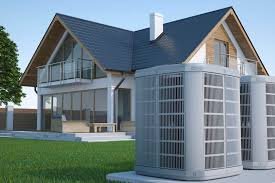
A reliable cooling system does more than keep a home comfortable during hot weather. It also helps maintain indoor air quality, protects household electronics from excessive heat, and supports better energy efficiency throughout the year. However, many homeowners unintentionally shorten the lifespan of their air conditioning systems by overlooking routine maintenance and simple preventative care.
Understanding how to properly maintain a cooling system can reduce breakdowns, lower energy costs, and help avoid expensive replacements. Homeowners who stay proactive are often less likely to require emergency air conditioning repair in West Wendover, NV during peak summer temperatures when HVAC systems work the hardest.
Air filters play a critical role in keeping cooling systems operating efficiently. Dirty or clogged filters restrict airflow, forcing the system to work harder to circulate cool air throughout the home. Over time, this extra strain can increase energy consumption and accelerate wear on important components.
Most HVAC professionals recommend replacing standard air filters every 1–3 months, depending on:
- Household size
- Pets in the home
- Local dust levels
- Indoor allergies
- System usage frequency
Clean filters improve airflow, reduce indoor dust buildup, and help maintain consistent cooling performance.
The outdoor condenser unit requires proper airflow to release heat effectively. Leaves, dirt, grass clippings, and debris can accumulate around the unit and reduce efficiency.
Homeowners should:
- Keep at least two feet of clearance around the condenser
- Remove weeds and vegetation nearby
- Gently rinse dirt from the coils
- Inspect for blocked vents or visible damage
A clean outdoor unit reduces strain on the compressor, which is one of the most expensive components to replace in a cooling system.
Annual HVAC inspections remain one of the most effective ways to extend system lifespan. Professional technicians can identify small issues before they become major repairs.
A typical maintenance appointment may include:
- Checking refrigerant levels
- Inspecting electrical connections
- Cleaning evaporator and condenser coils
- Testing thermostat performance
- Lubricating moving components
- Inspecting ductwork for leaks
Preventative maintenance often improves energy efficiency while reducing the risk of unexpected system failures during extreme temperatures.
Modern thermostats help cooling systems operate more efficiently by reducing unnecessary runtime. Constantly running an air conditioner places additional stress on internal components and increases electricity usage.
Programmable thermostats allow homeowners to:
- Raise temperatures while away
- Automatically cool rooms before returning home
- Reduce overnight cooling demands
- Maintain stable indoor temperatures
Even small temperature adjustments can significantly reduce long-term wear on HVAC equipment.
Cooling systems must work harder when cool air escapes through gaps and leaks. Poor insulation and unsealed openings increase indoor heat gain and reduce overall system efficiency.
Common areas to inspect include:
- Windows
- Door frames
- Attic spaces
- Crawl spaces
- Duct connections
Proper sealing helps cooling systems maintain comfortable temperatures more easily while reducing monthly energy bills.
Many homeowners lower thermostats excessively during heatwaves, expecting rooms to cool faster. In reality, air conditioners cool at a steady rate regardless of thermostat settings.
Overworking the system can lead to:
- Increased compressor strain
- Frozen evaporator coils
- Higher energy usage
- Shortened equipment lifespan
Instead, homeowners should combine moderate thermostat settings with ceiling fans, shaded windows, and reduced indoor heat sources such as ovens or dryers.
Minor HVAC problems often become expensive repairs when ignored for too long. Identifying unusual system behaviour early can prevent more serious damage.
Warning signs may include:
- Weak airflow
- Warm air from vents
- Unusual noises
- Short cycling
- Rising utility bills
- Excess humidity indoors
Addressing these issues quickly may help homeowners avoid major air conditioning repair in West Wendover, NV during periods of heavy system demand.
Furniture, rugs, curtains, and storage items can block airflow from vents and registers. Restricted airflow forces cooling systems to work harder and reduces temperature consistency throughout the home.
To improve airflow:
- Keep vents fully open
- Avoid covering registers
- Clean dust from vent covers regularly
- Rearrange furniture if necessary
Balanced airflow helps maintain system efficiency and improves overall indoor comfort.
Cooling systems work continuously to remove indoor heat. Minimizing unnecessary heat generation inside the home reduces strain on the HVAC system.
Helpful strategies include:
- Using LED lighting
- Running appliances during cooler hours
- Closing blinds during afternoon sunlight
- Using exhaust fans in kitchens and bathrooms
- Limiting oven use during hot weather
These small adjustments can noticeably improve cooling efficiency during summer months.
Even well-maintained systems eventually reach the end of their lifespan. Most residential air conditioners last approximately 10–15 years depending on maintenance quality, climate conditions, and usage levels.
Homeowners may want to consider replacement if they experience:
- Frequent repairs
- Rising energy costs
- Uneven cooling
- Poor humidity control
- Outdated refrigerant systems
Modern cooling systems often provide improved efficiency, quieter operation, and lower operating costs compared to older units.
Most HVAC professionals recommend scheduling professional maintenance at least once per year, ideally before summer begins. Regular servicing helps identify small issues early, improves efficiency, and reduces the likelihood of unexpected breakdowns during periods of heavy system use.
Yes, dirty filters can restrict airflow and force the system to work harder than necessary. Over time, this added strain may increase energy consumption, reduce cooling performance, and contribute to premature wear on important HVAC components.
Many energy experts recommend keeping thermostats around 24–26°C when at home for balanced comfort and efficiency. Slightly higher settings while away can also reduce strain on the cooling system and help lower electricity costs.
Continuous operation may result from extreme outdoor temperatures, poor insulation, dirty filters, blocked airflow, or an undersized system. If the issue persists, professional inspection may be necessary to identify underlying mechanical problems.
Most residential cooling systems last between 10 and 15 years with proper maintenance. Systems that receive routine servicing and operate under normal conditions may continue functioning efficiently for even longer.
Yes, ceiling fans improve air circulation and help rooms feel cooler. This allows homeowners to raise thermostat settings slightly without sacrificing comfort, reducing the workload placed on the air conditioning system.
Extending the lifespan of a cooling system does not always require complicated maintenance or expensive upgrades. Simple habits such as replacing filters, scheduling inspections, improving airflow, and reducing system strain can significantly improve long-term performance. Homeowners who remain proactive often enjoy lower energy bills, fewer breakdowns, and more reliable indoor comfort throughout the hottest months of the year.
 Prime Star
  Apex Backlinks