 By Admin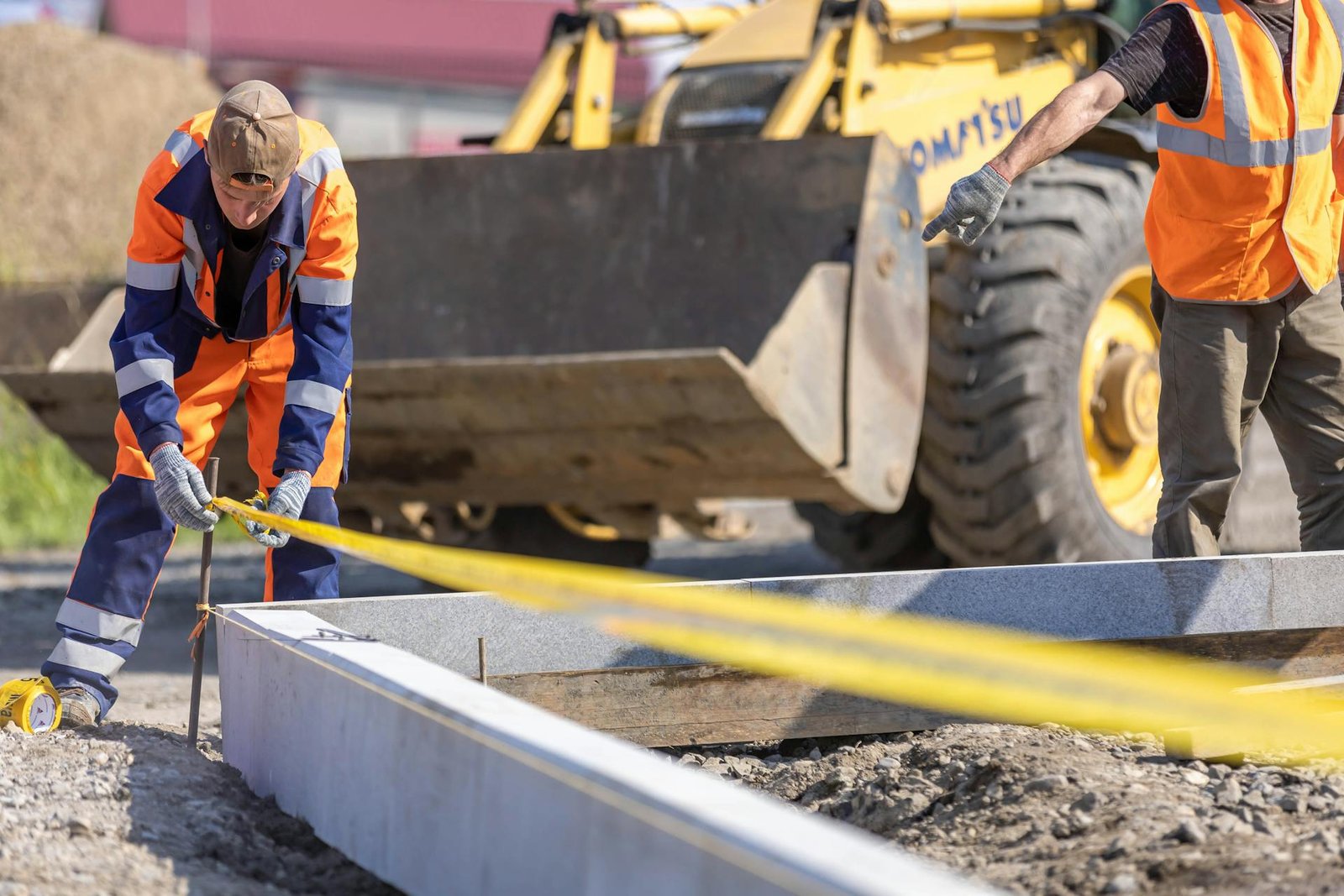
A commercial building can take months or even years to complete, yet most conversations about construction focus on the visible parts of the project, such as the design, the contractor, or the finished structure. The reality on site looks very different.
Ask anyone who has managed a commercial build and they’ll usually point to practical challenges rather than construction itself. Deliveries arrive late. Ground conditions are not what the original plans suggested. Materials need moving. Access becomes restricted. One delay creates another. Before long, an entire schedule starts shifting. That’s one reason commercial developments rely on a wide network of specialist services. Some are involved before a single machine reaches the site. Others work quietly in the background throughout the build.
Few developers enjoy hearing the phrase “unexpected site conditions.” Unfortunately, it still happens. A site can look straightforward on paper and reveal something completely different once work begins. Drainage routes may differ from existing records. Ground levels may require additional preparation. Underground services can sit directly beneath planned excavation areas. Surveying exists to reduce those surprises.
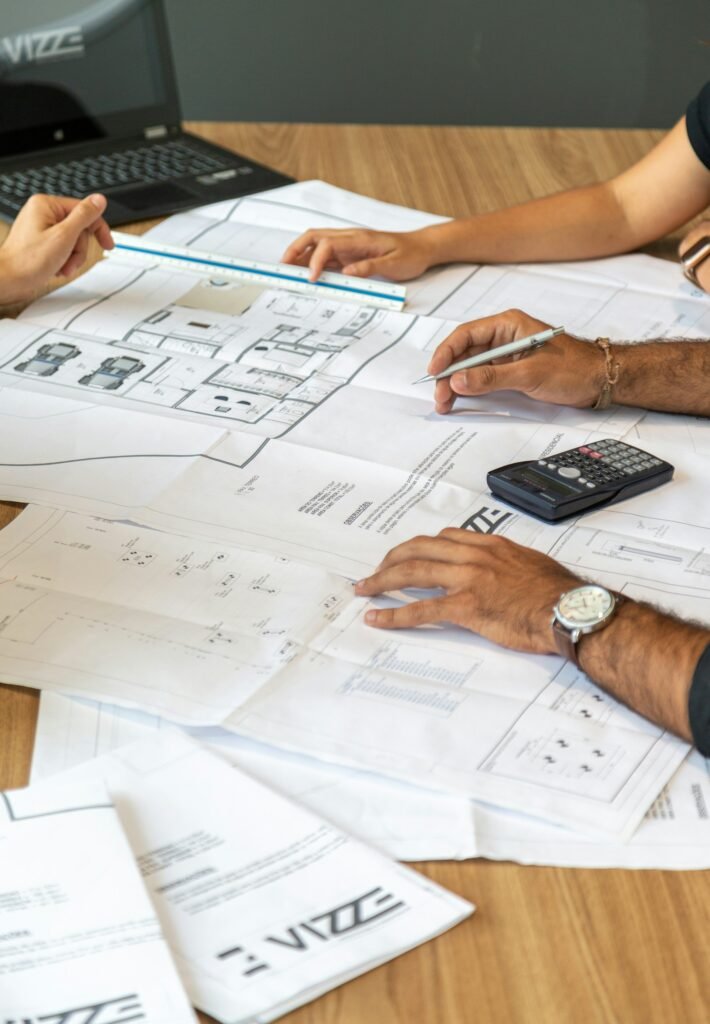
Modern surveys provide far more information than they did years ago. Drone technology, 3D scanning, and digital modelling allow teams to understand a site in considerable detail before major decisions are made. That information influences everything from budgets and timelines to access planning and construction methods. In simple terms, spending money on accurate surveys early often prevents spending much more money later.
Waste rarely features in project brochures, but it affects daily operations more than many people realise. Construction generates a constant flow of surplus material. Packaging, timber offcuts, damaged pallets, scrap metal, insulation, plasterboard, and general debris all accumulate surprisingly quickly.
When disposal arrangements fall behind, productivity usually follows. Workers lose space. Storage areas become cluttered. Moving materials across the site takes longer than it should. Safety risks increase as well.
Many developers now place greater emphasis on recycling and responsible disposal practices, not only because of environmental targets but because efficient waste management simply makes sites easier to operate. Anyone who has worked on a well-organised site notices the difference almost immediately.
Construction projects rarely follow a single pattern from beginning to end. The machinery needed during excavation is often irrelevant once the structure begins to rise. Later stages introduce different requirements altogether, from access platforms and lifting equipment to temporary power solutions and specialist tools. For that reason, equipment hire remains a practical option for many contractors.
Rather than owning machinery that may spend months unused, businesses can bring in equipment when required and return it when priorities change. This approach provides flexibility while reducing maintenance responsibilities and long-term ownership costs. More importantly, it allows project teams to respond quickly when circumstances change which, in construction, happens regularly.
Work at height is part of everyday life on many commercial projects. Roofing contractors, cladding installers, façade specialists, maintenance teams, and glazing crews all need safe access to complete their work efficiently. Without it, even routine tasks become slower and more complicated. This is why experienced contractors often treat access planning as a priority rather than an afterthought.
Many developments depend on professional scaffolding services to create safe working platforms and reliable access routes throughout different phases of construction. Good scaffolding supports productivity just as much as safety because trades can focus on their work instead of navigating unnecessary restrictions.
Ironically, the best access systems tend to attract the least attention. They simply work.
Commercial developments bring together dozens of separate organisations. Architects, engineers, suppliers, subcontractors, inspectors, local authorities, consultants, and clients all have responsibilities that overlap at various stages of the project. Each decision can influence several others. Keeping those moving parts aligned is not always easy.
A delayed delivery might affect multiple contractors. A design revision may require new approvals. An inspection can alter planned schedules for an entire week. Project managers sit at the centre of those conversations. Much of successful project management involves identifying small issues before they become expensive ones.
Commercial projects are supported by considerably more than construction teams and building supplies. The result is influenced by a number of factors, including precise surveys, effective waste management, adaptable equipment solutions, safe access systems, efficient project coordination, and solid safety procedures. The majority of this labour is done in the background in silence.
That may be the easiest way to comprehend the importance of these services: when everything goes well, they hardly ever seen much important, but when anything goes wrong, they frequently become unavoidable.
 John Arthur