 By Prime Star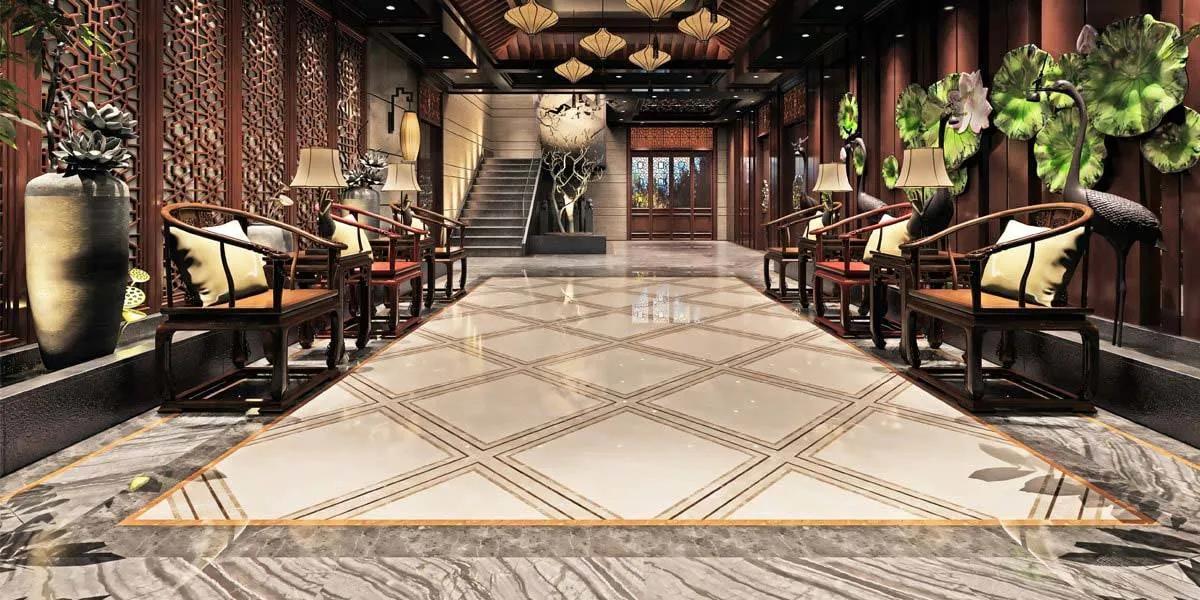
Every day brings new demands inside commercial spaces. Not just appearance matters – surfaces face spills, scuffs, scrubbing, and round-the-clock use. In cafes, lobbies, workspaces, or shops, what covers floors and walls shapes how well things hold up, stay safe, fit budgets over time. That reality pushes more owners toward ceramic and porcelain tile – not because they look good, but because they last, adapt, and survive real conditions.
The Role of Planning Workflow and Efficiency in Commercial Design
Starting right means thinking ahead about how a workspace will work. People need room to move, places should be easy to clean, floors must handle everyday wear without slowing things down. When materials get in the way or demand too much care, problems start piling up fast. Tile made from ceramic or porcelain fits naturally into busy environments – simple to set in place, tough enough for heavy traffic, consistent where it matters. Walkways, backrooms, cooking spots – all stay open longer when surfaces hold up under real conditions.
Commercial Use of Ceramic and Porcelain Tiles
Though people talk about them as if they’re the same, Ceramic and Porcelain Tiles actually work better in different spots around a business space. Refined clay shaped then baked hot becomes ceramic tile – tough enough for walls or places where not much foot traffic happens. Firing longer and hotter creates porcelain, which packs more density, resists water far better, leaves fewer gaps inside. Where things get busy, choices shift: some spaces need that stronger shield only porcelain offers, others do fine with ceramic’s simpler defense. Each floor section gets what fits its daily wear, nothing extra, nothing lacking.
The Durability and Longevity in High Traffic Areas
What keeps floors looking good in busy areas? Porcelain, in particular, laughs off scuffs, spills, even hard hits. They stay solid, look clean, hold color, decade after decade. That toughness means fewer swaps, less spending, quieter headaches down the road.
Industry insights and practical uses from cKitchen
Floor by floor, wall by wall, what a surface does matters most when meals are made for crowds. CKitchen and similar guides point to one fact often: surfaces must block spills, oils, stains – no seepage allowed. Take ceramic or porcelain tile – they shut out dampness, grime, germs entirely. Day after day, in spots needing spotless checks, you will find them underfoot, behind stoves, along splash zones.
Aesthetic Flexibility Enhances Brand Presence
From boardrooms to boutique lobbies, spaces now speak the language of the brand before anything else. Not just practical but full of personality, ceramic and porcelain surfaces mimic stone, timber, even raw concrete in surprising ways. Laterem stands out – not loud, yet always noticed – for its clean lines and steady look across large installations. These choices hold up when foot traffic builds, light shifts, or moods change behind the counter. A sleek workspace, a high-end guest room, a corner bistro – each finds strength in quiet elegance underfoot.
The Hygiene Safety and Compliance Standards
Some Laterem floor options include textures that make slipping less likely – useful where spills happen or crowds move fast, plus they meet strict safety rules. Fresh habits guard well-being while keeping workplaces running without hiccups. Where meals are made, patients healed, goods built, or guests hosted, clean routines block germs, lower danger zones, yet follow law lines. When rules tighten around cleanliness, firms who act early sidestep fines – quiet moves that polish image, year after year. A steady rhythm here feeds staying power, unseen until missing.
The Cost Efficiency and Long Term Return on Investment
Even if you pay more than first for ceramic or porcelain tiles, they have tended to save money over many years. They hardly need upkeep, rarely break down, and last a very long time without looking worn out. Business property managers find that means less downtime and reduced spending on fixes later on. Tiles from Laterem add extra benefit since they hold up well while still looking sharp – ideal where quality matters most.
The Sustainability and Environmental Considerations
Lately, how buildings go up matters more than before. From the earth come ceramic and porcelain tiles and Laterem Tiles built to last decades without wearing out. Factories today burn less fuel when making them, wrapping products in boxes that can be reused. Tough surfaces like Laterem fit well inside eco-minded builds, since they cut down waste over time just by holding strong. Long-term thinking shapes smarter choices under every roof.
The Adaptability in Various Commercial Environments
What stands out about ceramic and the porcelain tiles? Their flexibility shows up everywhere in commercial spaces. These tile lines fit together across rooms, linking design themes even when uses differ. Lobbies and corridors handle heavy movement – porcelain handles those spots easily. Walls and accent details find balance with ceramic’s lighter touch. Designs stay unified because Laterem supplies matching options that do not sacrifice strength for style.
Conclusion
Picking the right stuff shapes how well office rooms hold up over time. Tough ones like ceramic or porcelain stand strong, stay clean, look good in many ways, plus save money down the road. Go high-end with brands like Laterem, you get spaces that feel polished, run smoothly, and wear well. Think layout, movement, green impact, protection – tiles cover it all without surprise. They just work, quietly proving worth day after day.
FAQs
Why are ceramic and porcelain tiles suitable for their commercial interiors?
Built to last, these hold up well under constant use in busy spaces. Cleaning them takes little effort when spills happen. Moisture does not weaken their structure over time. Heavy movement across their surface causes minimal wear.
How do Laterem tiles benefit commercial projects?
What stands out about Laterem tiles is how they balance clean aesthetics and rugged performance. These hold up well in high-end spaces while staying easy to care for over time.
What about using ceramic or porcelain tiles in a busy kitchen space meant for business? Might those hold up well under heavy daily use?
Fine. Because they resist stains, wipe down fast, meet health codes, these fit well in busy kitchens – CKitchen says so.
Could ceramic plus porcelain floor coverings fit within eco-friendly building practices?
Few replacements mean less waste over time. Natural components come straight from the earth, not factories. These materials work well within systems that save power during production. For business builds, that adds up to smarter resource use
READ ALSO: The Essential Guide to a Picture-Perfect Yard: Choose Always Green Landscaping
 John Arthur