 By Bemi Brooks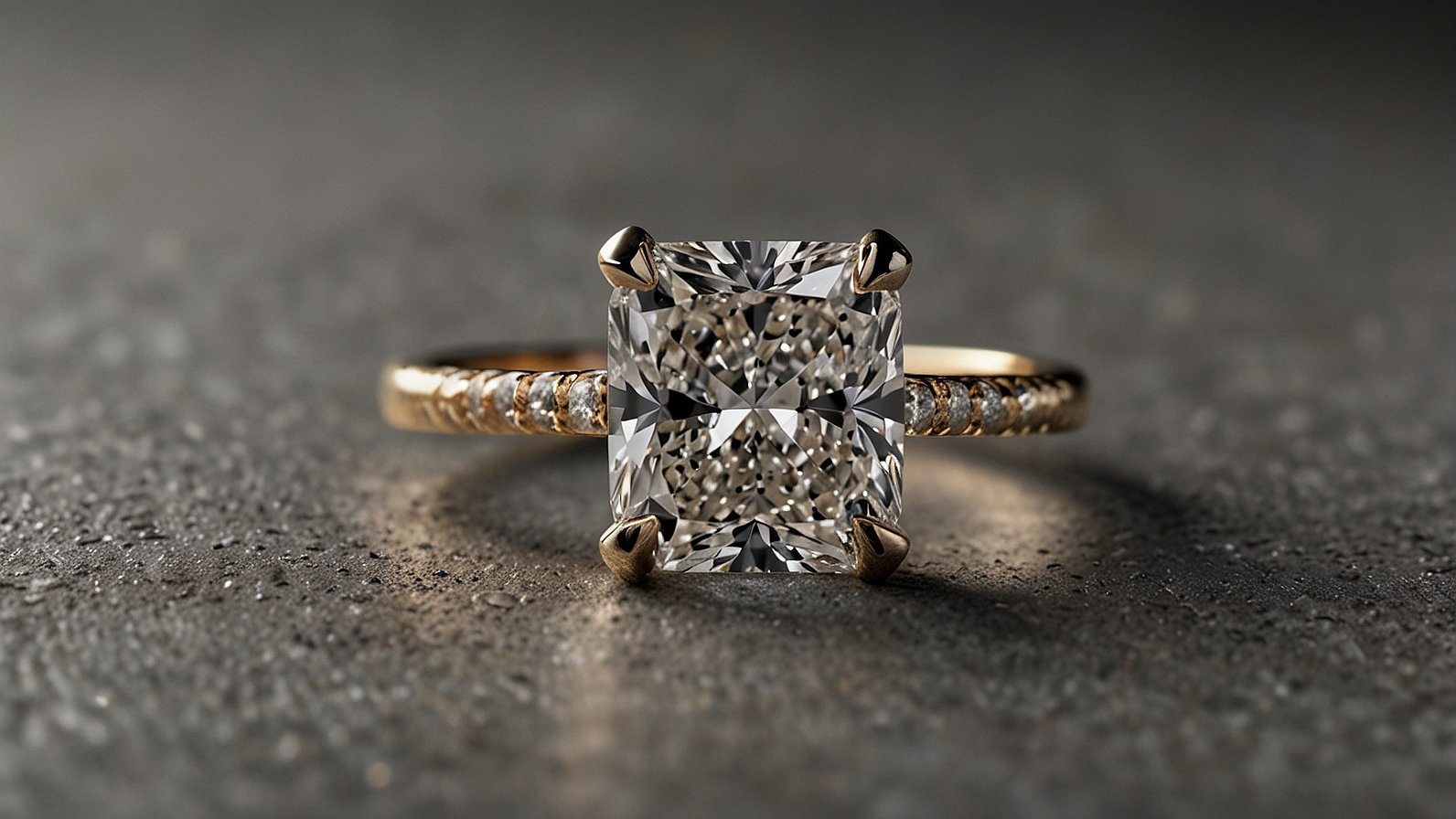
Imagine slipping on a ring that captures light like a thousand tiny fireworks, blending timeless shape with modern sparkle. That’s the magic of a radiant cut diamond, a gem that’s surged in popularity for its unique mix of elegance and brilliance.
Key Benefits at a Glance
- Research suggests radiant cut diamonds offer exceptional fire and brilliance, often rivaling round cuts but with a distinctive rectangular or square silhouette.
- They tend to hide inclusions well due to their facet pattern, making them a smart choice for those prioritizing clarity without breaking the bank.
- Prices are generally 20-30% lower than comparable round brilliant diamonds, allowing for larger stones or better quality within budget.
- The clipped corners enhance durability, reducing chipping risks compared to sharper-edged cuts like princess.
A radiant cut diamond combines the clean lines of an emerald cut with the sparkling facets of a brilliant cut. Invented in 1977 by Henry Grossbard, it features 70 facets that create intense light play, often described as a “crushed ice” effect where light scatters in a mesmerizing shimmer. This makes it ideal for engagement rings, as it balances sophistication with eye-catching appeal.
If you’re comparing to a round brilliant, radiants provide similar sparkle but in a more elongated form, which can make fingers appear slimmer. However, they might show a subtle bow-tie effect in the center if not cut precisely, so always check for even light distribution.
Start with the 4Cs: Aim for a color grade of H or better to keep it looking colorless, and clarity around SI1-SI2 since the facets mask minor flaws effectively. For shape, a length-to-width ratio of 1.25-1.35 offers an elegant rectangle, while under 1.05 feels more square.
Lab-grown options are increasingly popular, offering the same beauty at lower prices and with ethical appeal. Always insist on a GIA grading report for assurance.
A solitaire setting lets the diamond shine solo, but a hidden halo adds extra sparkle without overwhelming the stone. For a modern twist, pair with pave bands for that crushed ice vibe amplified.
In the world of diamonds, few cuts have climbed the ranks as swiftly as the radiant. Born from a desire to fuse classic shapes with unmatched sparkle, this gem has become a go-to for those seeking something beyond the traditional round. Let’s dive deep into its story, features, and why it might just be the perfect pick for your next piece of jewelry.
Think of the radiant cut diamond as the stylish hybrid in the diamond family, like a sports car that handles city streets and open roads with equal grace. It marries the straight-edged outline of an emerald cut with the lively facets of a round brilliant, resulting in a stone that’s both structured and scintillating. Since its debut, it has captured hearts in engagement rings and luxury pieces, offering a fresh alternative that doesn’t sacrifice brilliance for form.
The radiant cut diamond didn’t just appear, it was crafted with purpose. In 1977, master cutter Henry Grossbard set out to solve a common dilemma: how to get the sleek profile of an emerald cut without losing the fire of a brilliant one. Working for the Radiant Cut Diamond Company, he experimented until he perfected a design with clipped corners and brilliant-cut facets. This innovation not only boosted sparkle but also improved durability, as those beveled edges reduce the risk of chipping.
At first, it took time to catch on, but by the late 20th century, celebrities and jewelers alike embraced it for its versatility. Today, it’s a staple in fancy shape diamonds, appreciated for its ability to blend into various settings while standing out with its unique light performance. For instance, brands like Tiffany & Co. and Cartier often feature radiants in their collections, highlighting their modern elegance.
What sets a radiant cut diamond apart? It’s all in the details of its anatomy. Typically square or rectangular, it boasts an emerald shape silhouette with those signature clipped corners. But the real star is the faceting: around 70 brilliant-cut facets create a dynamic play of light, leading to exceptional fire and brilliance.
One standout trait is the crushed ice effect, where light fragments into countless tiny sparkles, resembling shattered ice under sunlight. This differs from the bolder flashes in a round cut, offering a softer, more textured shimmer. However, not all radiants are equal, some lean toward a traditional brilliant pattern, while others emphasize the crushed ice look for a subtler glow.
The pavilion depth plays a key role here. A well-proportioned radiant usually has a depth of 59-70%, ensuring light bounces back efficiently without leaking out the bottom. And watch for the bow-tie effect, a dark area in the center that can appear in poorly cut stones due to uneven light reflection. To avoid this, opt for diamonds with balanced length-to-width ratios.
Here’s a quick comparison table of key characteristics:
| Feature | Radiant Cut | Round Brilliant | Cushion Cut |
|---|---|---|---|
| Facets | 70 | 58 | 58-70 |
| Shape | Square/Rectangular with clipped corners | Round | Square/Rounded square |
| Brilliance | High fire and crushed ice effect | Maximum sparkle | Softer glow, vintage feel |
| Durability | Excellent (clipped corners) | Good | Moderate |
| Price per Carat | Lower (20-30% less than round) | Highest | Mid-range |
This table illustrates how radiants strike a balance, often making them a value-packed choice.
When shopping for a radiant cut diamond, the GIA grading report is your best friend. It details the 4Cs: cut, color, clarity, and carat. Unlike rounds, radiants don’t get an official cut grade from GIA, so you must evaluate proportions yourself.
For color, stick to G-H for a near-colorless look, as the facets can amplify any tint. Clarity is forgiving in radiants, their busy facet pattern hides inclusions well. An SI1 or SI2 often appears eye-clean, saving you money compared to needing VS1 in other cuts. As for carat, radiants face up larger than rounds of the same weight due to their shape, giving you more visual bang for your buck.
Pro tip: Always view the diamond in different lighting. A quality radiant should maintain its fire and brilliance indoors and out.
How does the radiant stack up? Against a round brilliant, it offers similar sparkle but at a lower price, often 25-30% less per carat. The round wins in pure symmetry, but the radiant brings a modern edge with its outline.
Versus a cushion cut, the radiant is brighter thanks to its brilliant facets, while cushions have a softer, pillow-like vibe. Square radiant cut diamond vs cushion? Radiants tend to have more defined edges and less of a vintage feel.
And for emerald cuts, radiants add the sparkle that emeralds lack, making them ideal if you want elegance with extra dazzle.
Price-wise, a 1-carat radiant might cost $3,000-$6,000, versus $4,000-$8,000 for a round of similar specs. This affordability extends to lab-grown versions, which match natural ones in appearance but at half the cost.
Speaking of lab-grown, these are gaining traction for good reason. Created in controlled environments, they share identical physical properties with mined diamonds but are eco-friendly and budget-savvy. A lab grown radiant cut diamond guide? Look for the same specs: good proportions, high clarity requirements (SI1+), and a trusted cert.
They’re perfect for diamond-smart shoppers, offering the crushed ice effect without ethical concerns. Prices start around $1,000 for a 1-carat, making elongated radiant cut diamond on finger looks achievable for more people.
The best setting for radiant cut diamond amplifies its strengths. A four-prong solitaire keeps it simple, securing the clipped corners while letting light flood in. For added wow, try a hidden halo radiant cut diamond rings, where tiny diamonds encircle the base for extra brilliance.
Pave settings work wonders too, especially with side stones that echo the radiant’s facets. And for a bold statement, bezel settings provide a sleek, modern frame that’s protective.
Consider this settings comparison table:
| Setting Type | Pros | Cons | Best For |
|---|---|---|---|
| Solitaire | Maximizes diamond visibility | Less accent sparkle | Minimalists |
| Halo | Boosts apparent size | Can overshadow smaller stones | Glam seekers |
| Pave | Adds overall shimmer | Requires more maintenance | Detailed designs |
| Bezel | High security | Slightly reduces light entry | Active lifestyles |
No matter the choice, ensure the setting complements the diamond’s length-to-width ratio for harmony.
Before buying, address common concerns. Radiant cut diamond clarity requirements? Prioritize eye-clean over perfect grades to save. For price vs round, expect savings but factor in quality.
Visit jewelers like James Allen or Blue Nile for 360-degree views. And remember, while radiants are durable, regular cleanings keep that fire alive.
In summary, the radiant cut diamond embodies modern elegance, with its rise fueled by versatility and value. Whether natural or lab-grown, it’s a choice that promises lasting joy.
What are your thoughts on radiant cuts? Share in the comments, or head to a jeweler to see one sparkle in person.
You May Also Like: 5 Reasons Why Perfume Gift Sets Make the Perfect Gift
What is a radiant cut diamond?
It’s a hybrid cut combining emerald’s shape with brilliant facets for max sparkle.
How does radiant compare to round in price?
Radiants are often 20-30% cheaper for similar quality.
What’s the ideal length-to-width ratio?
1.25-1.35 for rectangular, under 1.05 for square.
Are lab-grown radiants as good?
Yes, identical in appearance and durability, but more affordable.
How to avoid the bow-tie effect?
Choose well-proportioned stones with even facets.
Best clarity for radiant?
SI1-SI2, as facets hide inclusions effectively.
Popular settings for radiant?
Solitaire or halo to enhance brilliance.
 Prime Star