 By Bemi Brooks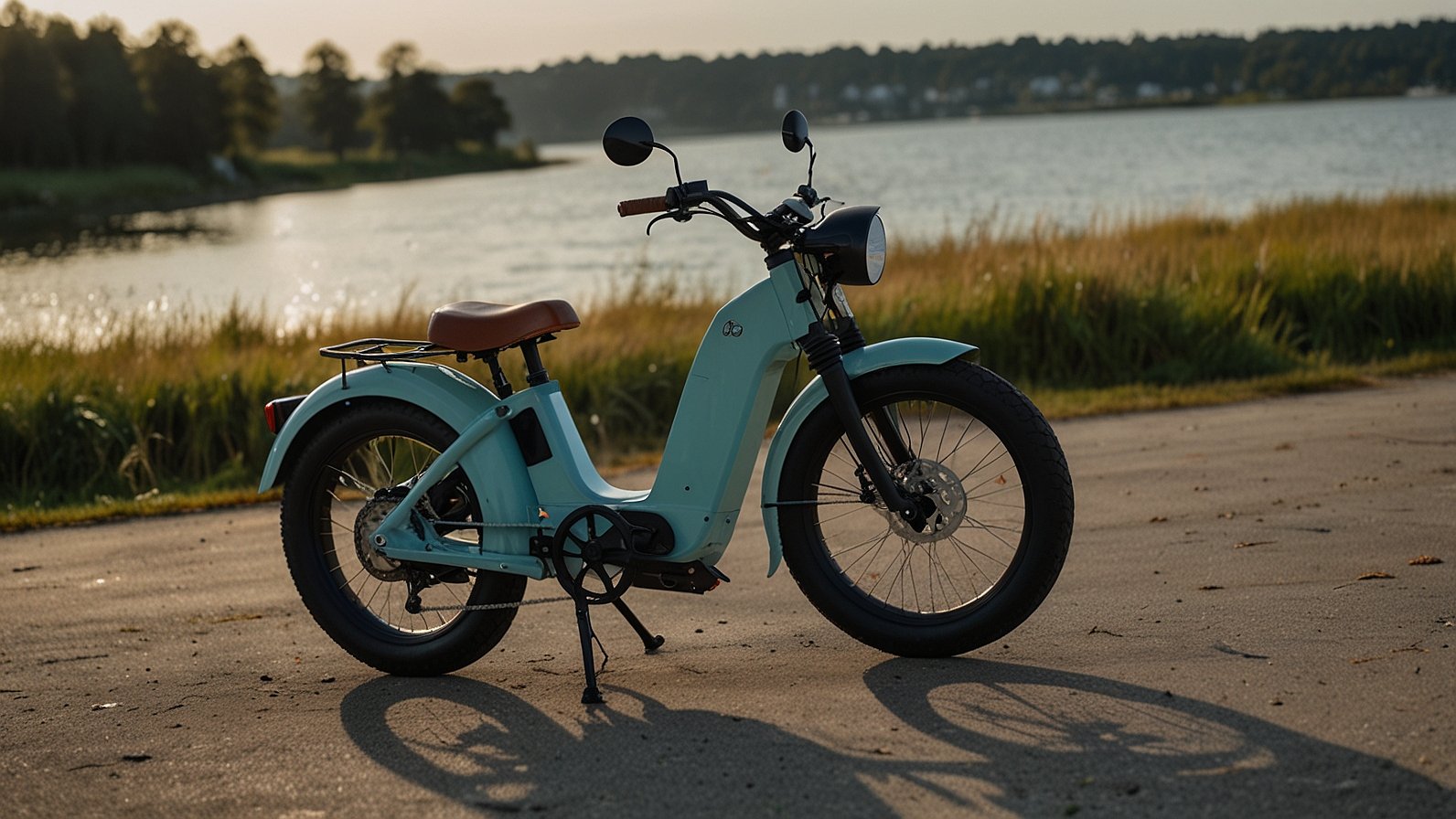
Ever sat in bumper-to-bumper traffic, watching your fuel gauge dip and your patience thin, while a silent, sleek two-wheeler gracefully filters past? Or maybe you’ve dreamed of the open-road freedom of a classic motorcycle, but the noise, the maintenance, and the license logistics felt daunting. What if you could ditch the gas stations, skip the traffic jams, and do it all on a ride that genuinely turns heads? Welcome to the quiet revolution rolling onto our city streets: the rise of the eschopper.
An eschopper is your electric answer to that iconic chopper and cruiser motorcycle style, reimagined for the modern commuter. It blends the undeniable attitude of a low-slung, elongated bike with the clean, quiet, and efficient heart of an electric powertrain. It’s not just a vehicle; it’s a statement that eco-conscious mobility can be dripping with cool. Let’s dive into what makes this new breed of electric urban cruiser the ride you’ve been waiting for.
At its core, the term eschopper is a portmanteau of “electric” and “chopper.” It captures the essence of a cultural icon—the custom, laid-back chopper motorcycle—and electrifies it for the 21st century. Visually, you’ll recognize the DNA: a relaxed, low seat position, often a stretched-out front fork, and those classic cruiser lines that suggest motion even when standing still.
However, under that stylish exterior lies the future. The roaring, vibrating gasoline engine is replaced by a silent, torque-rich electric motor. The gas tank is now a compartment housing a lithium-ion battery pack. The only exhaust note is the hum of the street and the wind. This isn’t a toy; it’s a serious piece of micromobility that slots perfectly between a stand-up electric scooter and a full-sized electric motorcycle. It offers more power, stability, and range than a kick scooter, yet remains more accessible, affordable, and often license-friendly than a bulky electric motorbike.
So, why is this niche capturing so much imagination? It turns out the eschopper solves several modern problems with a surprising amount of panache. Let’s break it down.
- Style & Attitude: Let’s be honest, in a sea of identical sedans and anonymous e-scooters, an eschopper makes you stand out. It’s a rolling fashion statement. Riding one says you care about design and have a bit of individual flair. Think of it as the café racer of the electric age—it’s as much about how you look and feel as it is about how you get there. The classic aesthetic resonates, while the electric core feels forward-thinking.
- Practical Commuting: This is where the eschopper truly shines as a daily workhorse. Forget the misconception that they’re just for show.
- Tackle Daily Distances: With typical real-world ranges between 20 to 60 miles (32-96 km) on a charge, it effortlessly covers most urban and suburban commutes.
- Low Running Costs: “Fueling up” means plugging into a standard wall outlet for pennies on the dollar compared to gasoline. Maintenance is minimal—no oil changes, spark plugs, or complex engine parts.
- Parking Ease: Its compact size lets you tuck into motorcycle parking or small spaces that a car could never dream of fitting into.
- The Joy of the Ride: Beyond practicality, there’s pure, unadulterated fun. Electric motors deliver instant torque, meaning snappy acceleration from a stoplight that puts a grin on your face. The quiet operation allows you to connect with your surroundings—you hear the city, you feel the ride. It’s an open-air, engaging experience that makes even a trip to the grocery store feel like a small adventure.
Ready to start looking? Navigating the specs can be confusing. Here’s a friendly guide to the key points you should consider.
1. Motor Power & Speed: Power is measured in watts (W). Think of this as the bike’s “muscle.”
* 500W-1000W: Good for flat terrain, lower speeds (20-28 mph / 32-45 kmh). Often classified as an e-bike or speed pedelec.
* 1500W-3000W: Zippier acceleration, better for hills, higher top speeds (30-45 mph / 48-72 kmh). Usually classified as an electric moped or motorcycle.
2. Battery Range & Charging: This is your “gas tank.” Always look for the real-world estimated range, not the perfect-condition maximum.
* Capacity: Measured in Watt-hours (Wh). A larger number (e.g., 1500Wh vs. 1000Wh) generally means more range.
* Charging Time: Most charge from empty to full in 4-8 hours on a standard outlet. Some support faster charging.
* Tip: Buy for your longest regular trip, not your once-a-year adventure. If you commute 15 miles round-trip, a 30-mile range bike gives you a comfortable buffer.
3. Build Quality & Comfort: Look for a sturdy frame, good suspension (for those potholed city streets), and reliable brake components (disc brakes are ideal). The seat should be comfortable for your typical ride duration. Don’t forget to check the weight—can you maneuver it if needed?
4. The Legal Landscape (Crucial!): This is the most important step. Classification varies by country, state, and city.
* E-Bike: Typically limited to 20-28 mph, may require pedals. Often no license/registration needed.
* Electric Moped: Higher speeds (e.g., 30 mph top), usually requires registration, insurance, and sometimes a standard or special driver’s license.
* Electric Motorcycle: Higher speeds (>45 mph), requires a motorcycle license, registration, and insurance.
* Always check your local DMV or transportation authority rules first.
Real-World Examples: Brands are embracing this style. Super Soco offers the CPx, a modern electric cruiser with serious moped credentials. NIU’s MQi GT evo has sport-cruiser vibes with smart features. CSC Motorcycles’ City Slicker is a quintessential eschopper in appearance. Each represents a slightly different take on power, classification, and price point.
The future for these electric cruisers is bright. We can expect continuous improvements in battery technology, leading to lighter bikes with longer ranges. Furthermore, the customization culture inherent to choppers is beginning to blossom in the electric space—custom paint, upgraded seats, unique lighting, and performance tweaks will let owners truly make their ride their own.
Integration into smart city ecosystems is also likely, with built-in connectivity for GPS, anti-theft tracking, and battery management. Challenges remain, such as the need for more ubiquitous public charging for light electric vehicles and the higher upfront cost compared to a basic e-scooter. However, as adoption grows and technology advances, these barriers will steadily fall.
- First, check your local vehicle classification and license requirements.
- Second, map your daily travel needs to identify your necessary range.
- Third, research local dealers or brands to schedule a test ride—feel is everything!
- Finally, run the numbers. Calculate the long-term savings versus your car or public transit costs.
The open (and wonderfully quiet) road is calling. The eschopper represents a smarter, cooler, and more enjoyable way to navigate our modern world. It’s a testament to the idea that the future of mobility doesn’t have to be sterile—it can be stylish, individual, and exhilarating.
What feature of the eschopper lifestyle appeals to you most? Is it the head-turning design, the whisper-quiet commute, or the freedom of the ride?
You May Also Like: Geekzilla T3 Specs, Features & Performance Breakdown
Do I need a motorcycle license to ride an eschopper?
It depends entirely on its power, speed, and how it’s classified in your region. Lower-power models may only require a standard driver’s license or none at all, while higher-performance models will require a motorcycle license. Always verify with local laws.
How fast can a typical eschopper go?
Speeds vary widely. E-bike class models typically max out around 20-28 mph (32-45 km/h). Moped-class models often hit 30-45 mph (48-72 km/h). High-performance models can go even faster but will require full motorcycle licensing.
What’s the real-world range I can expect on a single charge?
For most commuter-focused models, expect a realistic range of 20 to 60 miles (32-96 km) on a single charge. This is affected by rider weight, terrain, speed, and use of throttle versus eco modes.
How long does it take to charge the battery, and how much does it cost?
Charging typically takes 4 to 8 hours from empty to full using a standard household outlet. The cost is very low—usually between 10 to 30 cents for a full charge, a fraction of the cost of a gallon of gas.
Are eschopers safe for city riding compared to bicycles?
They offer similar exposure as a bicycle but with advantages like better acceleration to keep up with traffic, more stable wheels, and often brighter lighting. The same safety rules apply: wear a helmet, use lights, be visible, and ride defensively.
Can I customize my eschopper like a traditional chopper?
Yes! The aftermarket is growing. You can often customize aesthetics like seats, handlebars, mirrors, and paint. Performance modifications (controllers, batteries) are possible but should be done carefully to maintain safety and legality.
What’s the main difference between an eschopper and a standard electric scooter?
An eschopper prioritizes the stretched-out, low-slung “chopper” motorcycle aesthetic and riding posture. A standard electric scooter usually has a upright, step-through design with a flat floorboard. The eschopper is generally about style and a specific riding feel, while standard scooters prioritize maximum utility and compactness.
 Prime Star
  Apex Backlinks
  John Arthur