 By Bemi Brooks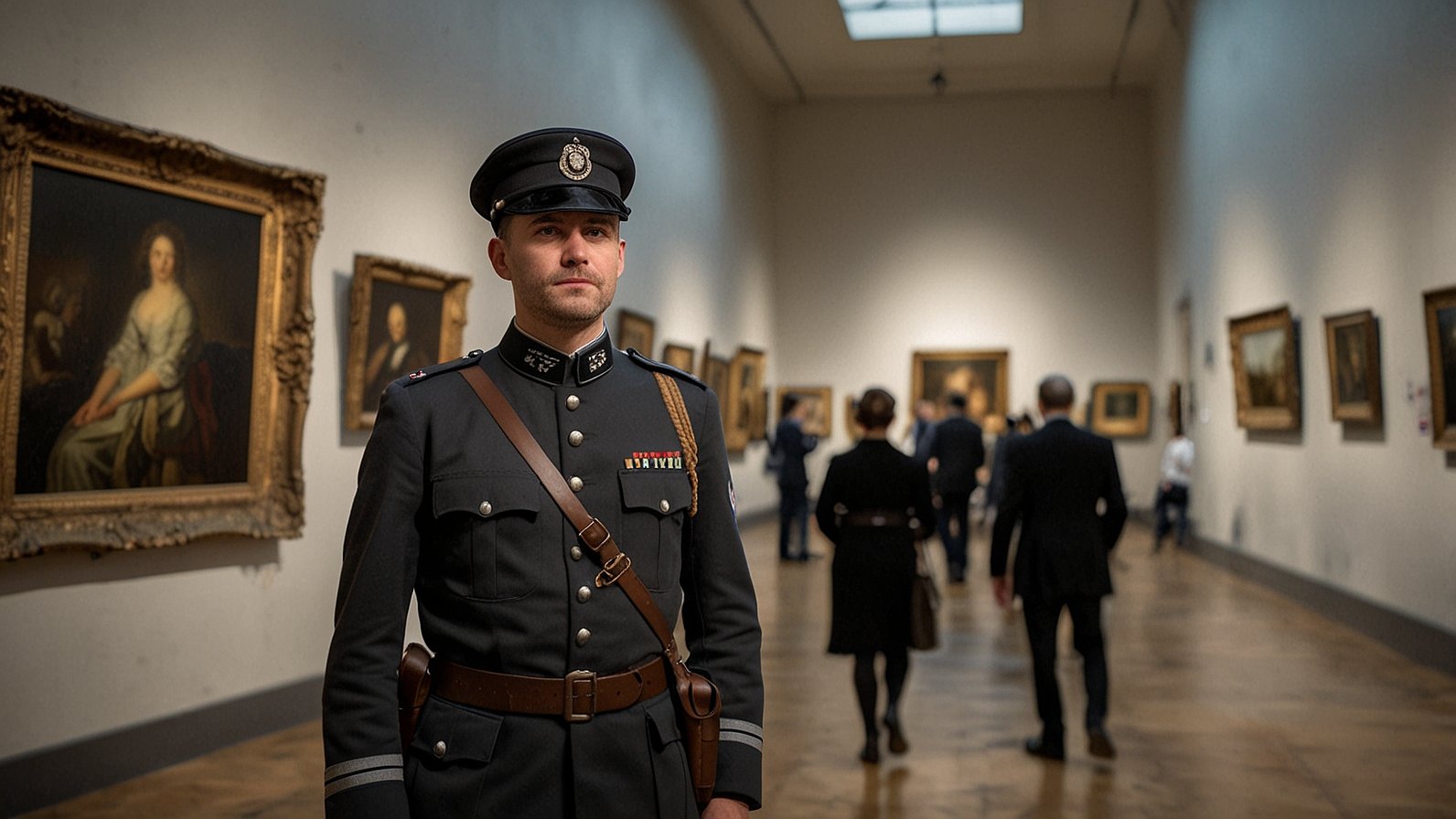
Have you ever wandered through a museum, captivated by a priceless painting, and wondered about the calm, observant person standing in the corner? What if that role—the Museumsaufsicht job—was one of the most dynamic and vital positions in the entire cultural sector?
We often see them as part of the furniture, but they are the human bridge between art and audience. Let’s pull back the velvet rope and discover what this role is truly about.
When you hear “Museumsaufsicht,” you might think “museum guard.” But that term barely scratches the surface. A Museumsaufsicht is the first responder of the gallery floor, a multitasking professional who blends the roles of security expert, customer service representative, and informal educator.
Let’s debunk a few myths right away:
- Myth: It’s a passive job for people who like to stand around.
- Reality: It’s an active role requiring constant observation, engagement, and situational awareness.
- Myth: Their only job is to say “Don’t touch!”
- Reality: They protect art by managing everything from environmental factors to crowd flow, all while being a friendly face for visitors.
So, what does a day in this career actually look like? The contrast between perception and reality is striking.
| Perceived Duty | Actual Responsibility |
|---|---|
| Watching visitors | Engaging with visitors: Answering deep questions about exhibits, giving directions, and sharing fascinating tidbits to enhance the experience. |
| Telling people “Don’t touch!” | Protecting the collection: Monitoring light and humidity levels, ensuring a safe distance is kept, and being trained in emergency protocols for art. |
| Checking tickets | Managing the unexpected: From reuniting lost children with parents to calmly handling a medical emergency, they are the trained professionals ensuring guest safety. |
| Quietly observing | Being the museum’s eyes and ears: Noting which artworks draw crowds, reporting potential maintenance issues, and assisting with event setup and teardown. |
Furthermore, the rhythm of the day changes with the crowd. A quiet Tuesday morning might involve deep cleaning of display cases, while a busy Sunday requires all hands on deck to manage the flow and energy of hundreds of guests.
If you’re considering this path, it’s less about a degree in art history and more about a specific set of interpersonal and observational skills. Here are the top traits that define excellence in this field:
- Eagle-Eyed Vigilance: You’ll need to cultivate a friendly vigilance, always aware of your surroundings without making visitors feel watched. This isn’t about suspicion; it’s about proactive protection. For instance, spotting a child running towards a sculpture allows you to gently intercept with a smile rather than a shout.
- Stellar Communication: Think of the museum as a stage. The artworks are the stars, the curators are the directors, and the Museumsaufsicht is the stage manager. You are the one ensuring the show runs smoothly. This means communicating clearly with colleagues over radio and engaging with visitors in a warm, approachable manner.
- Grace Under Pressure: When an alarm sounds or a visitor feels unwell, panic is not an option. The best attendants are a calming presence, trained to follow procedures and de-escalate situations with a cool head.
- A Passion for People (and Art): You don’t need to be a scholar, but a genuine interest in the cultural sector makes all the difference. That passion is contagious and turns a routine interaction into a memorable moment for a visitor.
Convinced that this is more than just a job? Here’s how you can position yourself as a strong candidate.
First, let’s dispel a major myth: you don’t always need an art history degree. Institutions like the Städel Museum in Frankfurt or the Museum Island in Berlin value diverse backgrounds. Experience in customer service, security, hospitality, or even theatre can be a huge asset.
Actionable Steps for Your Application:
- Visit a Museum Critically: Don’t just see the art. Observe the Aufsichtspersonal. How do they move? How do they interact? This firsthand research will give you unique insights for your interview.
- Tailor Your CV: Instead of just listing job titles, highlight experiences in conflict resolution, customer service, teamwork, and responsibility. Use action verbs like “managed,” “facilitated,” and “assisted.”
- Prepare a Story: Be ready to answer behavioral questions like, “Tell us about a time you dealt with a difficult person.” Have a positive, solution-oriented story ready that demonstrates your empathy and problem-solving skills.
Let’s address the unspoken questions. Is the pay going to make you rich? Typically, it’s an entry-level wage within the cultural sector, often based on public service tariff agreements in Germany. However, the non-monetary rewards are significant: you are a steward of cultural heritage, ensuring masterpieces are preserved for future generations.
And is it a dead-end job? Absolutely not. From this entry point, you can advance to become a head attendant, a shift supervisor, or move into visitor services management, event coordination, or educational programming. The experience is a fantastic foundation for any career in the museum world.
3 Final Tips for Your Journey:
- Network: Talk to current attendants if the opportunity arises. Their firsthand experience is invaluable.
- Highlight Language Skills: For a Museumsaufsicht job in Germany, fluency in German is essential, but English or other languages are a massive plus in international museums.
- Show Enthusiasm: In your cover letter and interview, convey a genuine excitement for the role’s unique blend of responsibility and public engagement.
So, the next time you’re in a museum, what will you notice about the quiet professionals who make the magic possible? You might just be looking at your future career.
You May Also Like: Zetlersont Product Fact: The Little Box That’s Changing How We Shop
What is the difference between a Museumsaufsicht and a security guard?
While both ensure safety, a Museumsaufsicht’s role is far more integrated into the visitor experience. They are trained in art handling basics, customer service, and often have specific knowledge about the collection, acting as the first point of contact for public inquiries. Their focus is on preventative care and education, not just reaction.
Do I need to speak German to work as a Museumsaufsicht in Germany?
For most public-facing roles in Germany, fluency in German is essential for clear communication with visitors and staff. However, in very international museums, additional languages (especially English) are a significant asset and sometimes a requirement.
What is the typical salary for a Museumsaufsicht?
Salary varies by museum, city, and whether the position is public service (Tarifvertrag für den öffentlichen Dienst) or private. It’s generally an entry-level wage within the cultural sector, but with professionalization, seniority, and collective bargaining agreements, it can increase.
Are there opportunities for career advancement?
Absolutely! Experienced attendants can become team leaders, shift supervisors, or move into related areas like visitor services management, event coordination, or collection management support. It’s a respected entry point into the museum ecosystem.
Is the job as quiet and boring as it looks from the outside?
This is the biggest myth! The role is surprisingly active. You’ll deal with thousands of different visitors, handle unexpected situations daily, and play a key part in facilitating events and exhibitions. It requires constant attention and adaptability, making every shift unique.
 John Arthur
  Siam
Siam