 By John Arthur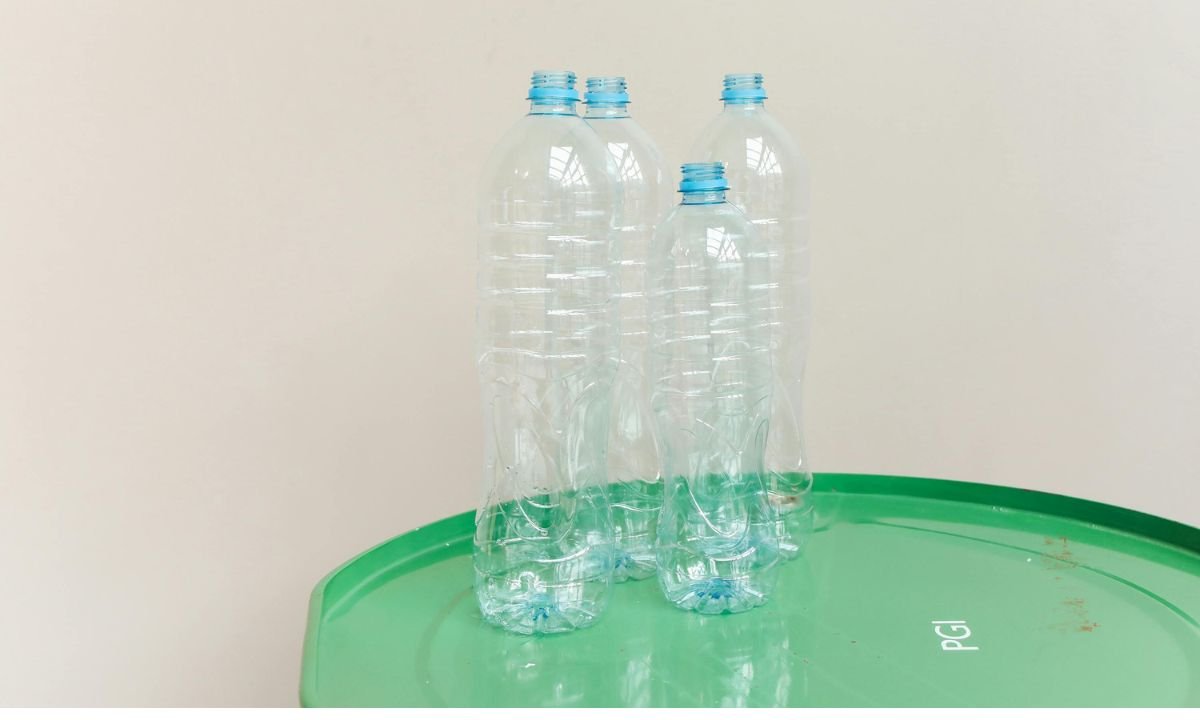
Diving into the world of 55 gallon poly drum waste reveals some eye-opening realities. These drums, crafted from durable plastics, are built to last, but when discarded thoughtlessly, they contribute to massive environmental issues. Landfills overflow with them, where they take centuries to break down, releasing harmful microplastics into soil and water. According to the EPA, recycling plastics like those in poly drums can reduce greenhouse gas emissions equivalent to taking millions of cars off the road annually. In fact, the recycling industry as a whole prevents over 193 million metric tons of carbon dioxide equivalents from entering the atmosphere each year.
Industrial sectors generate billions of pounds of container waste yearly. A study from the Reusable Packaging Association highlights that without proper management, this leads to unnecessary resource extraction, as new drums require virgin plastics derived from fossil fuels. For instance, manufacturing a single new 55 gallon poly drum uses about 60 percent more energy than reconditioning an existing one, per industry analyses. This energy drain translates to higher carbon footprints: new production generates 70 percent more CO2 than refurbishing.
Recycling turns this around by conserving resources. By shredding and repurposing poly drums into new products like pipes or benches, we keep materials in circulation. The Ellen MacArthur Foundation estimates that shifting to reusable systems could cut plastic waste by 20 percent. Plus, it supports biodiversity by reducing pollution in oceans and rivers, where unmanaged plastic waste often ends up.
Consider this: in 2022 alone, specialized recyclers processed over 5 million pounds of plastic from drums, diverting it from landfills. Pros include lower emissions and resource savings, but cons might involve initial logistics setup. A lesser-known fact? Recycling one ton of plastic saves enough energy to power a household for months, based on EPA data.
As someone who’s consulted on waste streams for years, I recommend starting with an audit of your drum usage. Ask yourself: How many 55 gallon poly drums do you discard monthly? Transitioning to recycling not only aligns with ESG goals but also shields you from rising disposal fees. This ties seamlessly into how reconditioning extends drum life, which we’ll explore next.
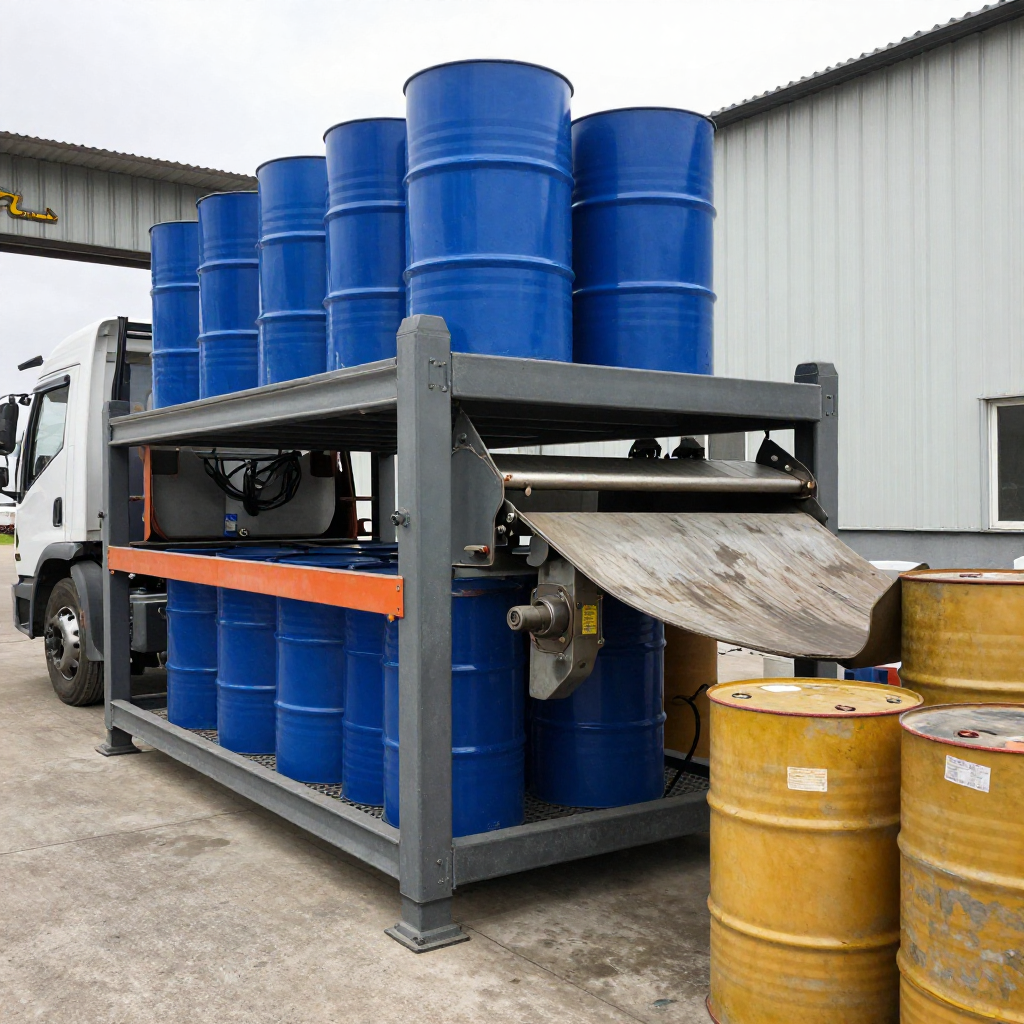
Reconditioning is the unsung hero of 55 gallon poly drum management, breathing new life into containers that might otherwise be scrapped. This process involves thorough cleaning, inspection, and repair to meet safety standards, making them as good as new for reuse.
First, drums undergo visual and structural checks for cracks or contamination. Then, high-pressure washing removes residues, especially crucial for hazardous materials under RCRA-empty standards. Repairs might include patching or reinforcing, followed by leak testing. Numbered steps: 1. Collection and sorting; 2. Cleaning with eco-friendly solutions; 3. Inspection and repair; 4. Testing for integrity; 5. Certification for reuse.
Businesses save big here: reconditioned drums cost 30-50 percent less than new ones, according to the Industrial Packaging Association. Environmentally, it uses one-third the energy of new manufacturing, reducing solid waste by 75 percent, as noted in life cycle assessments from Franklin Associates. A pro: extended lifespan means fewer purchases; a con: requires reliable partners to ensure quality.
From my hands-on work with manufacturers, I suggest labeling drums for easy tracking. Lesser-known tip: Pair reconditioning with inventory software to predict needs. Kelly Drums exemplifies this, reconditioning millions of pounds annually, helping clients in the Mid-Atlantic avoid landfill fees while complying with EPA regs.
Rhetorically, why buy new when reconditioning delivers the same performance at a fraction of the impact? This approach not only supports sustainable waste management but also paves the way for exploring full recycling options.
When it comes to hands-on mastery in industrial container recycling, Kelly Drums stands out as a beacon for Mid-Atlantic businesses. With over 40 years in the game, they specialize in handling 55 gallon poly drums, along with steel, fiber variants, IBC totes, and Gaylord boxes.
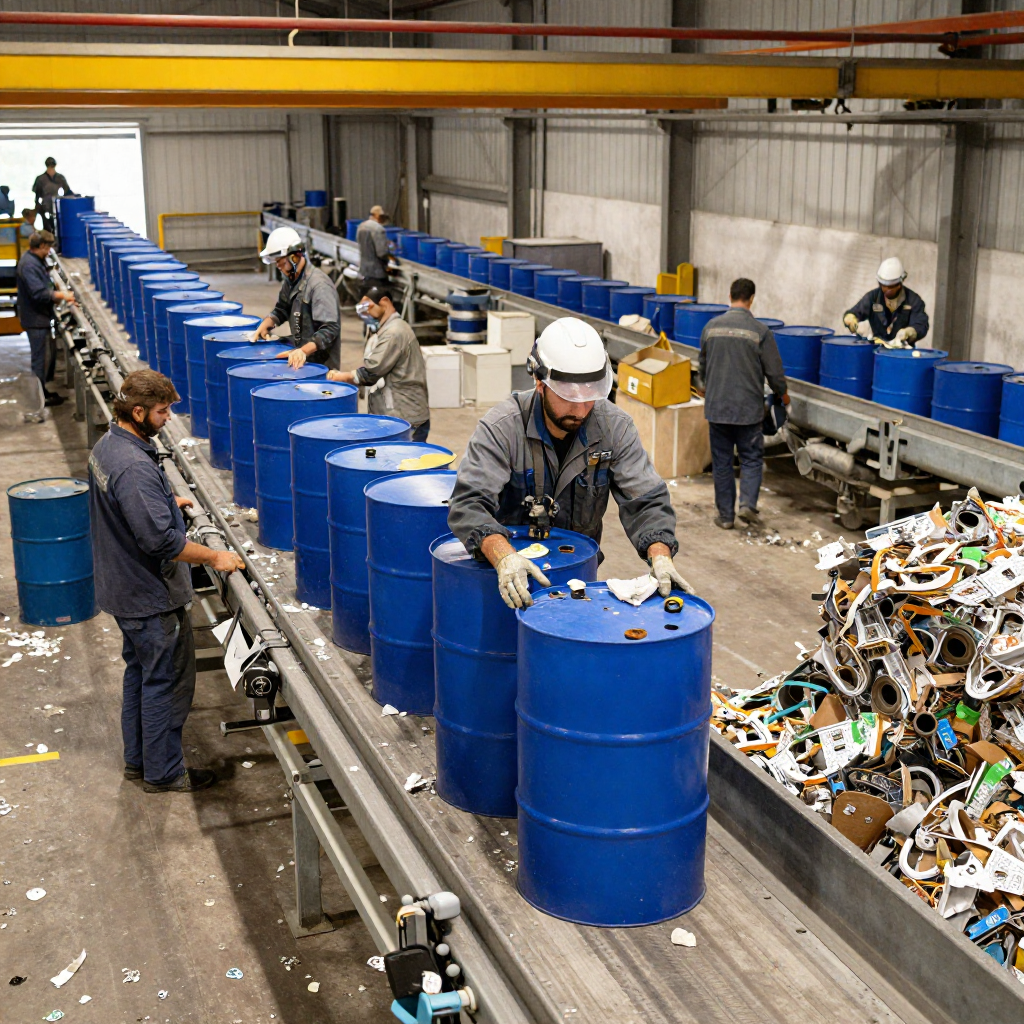
Their pickup service is seamless, covering everything from one-off collections to ongoing programs. Recycling involves sorting, where viable drums are reconditioned through cleaning and testing. For non-reusable ones, destruction via shredding ensures secure disposal, with certificates provided. They manage hazardous residues at licensed facilities, emphasizing compliance.
Kelly Drums helps clients navigate complex regs like RCRA, ensuring empty containers are processed without fines. Their reports aid audits, building trust. Stats show they diverted over 6 million pounds of plastic from landfills in recent years.
By recycling into raw materials, they cut CO2 by 70 percent versus new production. Pros: Cost-effective, eco-friendly; cons: Limited to regional service. As I’ve seen in similar operations, their closed-loop system minimizes waste, relating to everyday efficiency like reusing grocery bags but on an industrial scale.
Humorously, they’re like the drum whisperers, turning waste into wonders. This expertise highlights broader benefits, leading us to hazardous materials handling.
Hazardous materials add layers to 55 gallon poly drum recycling, but proper management turns risks into responsible practices.
Drums often hold residues from chemicals or oils, classified under EPA guidelines. Safe handling starts with ensuring they’re RCRA-empty, meaning less than one inch of residue.
Destruction shreds drums into granules, preventing reuse for illicit purposes. Kelly Drums provides certificates, ensuring traceability. Stats from the EPA indicate proper hazardous waste recycling reduces environmental incidents by 50 percent.
Pros: Compliance avoids penalties up to $70,000 per violation; cons: Higher processing costs. Tip: Train staff on labeling. In my experience, integrating this with overall waste plans saves time.
Relate it to life: It’s like safely disposing of old paint cans at home, but scaled up. This flows into economic advantages of recycling.
Recycling 55 gallon poly drums isn’t just green; it’s a smart financial move for industrial clients.
Reconditioning slashes expenses: Save 60 percent on energy costs versus new drums, per sustainability reports. Recycling generates revenue from scrap, with EPA noting $37.8 billion in wages from the industry.
The sector supports 681,000 jobs, boosting local economies. Kelly Drums’ model shows how Mid-Atlantic firms benefit from reduced disposal fees.
Pros: Lower procurement; cons: Initial setup. Fact: One ton recycled saves $65 in wages equivalent. As an expert, I advise auditing to quantify savings.
Ask: Ready to cut costs? This ties into future trends.
Looking ahead, 55 gallon poly drum management is evolving with tech and regs.
Smart tracking via IoT for better logistics; bio-based plastics reducing fossil fuel dependency.
EU directives push reuse to 10 percent by 2030; U.S. follows with EPR schemes. Stats: Reusable systems cut waste by 20 percent, per Ellen MacArthur.
Tips: Adopt circular economy models. Kelly Drums leads with rail spurs to lower emissions.
In essence, staying ahead means embracing these changes for lasting sustainability.
A 55 gallon poly drum is a plastic barrel used for storing and transporting liquids. Recycling prevents landfill overflow, conserves resources, and reduces emissions, as supported by EPA guidelines.
Reconditioning cleans and repairs for reuse, while recycling breaks them down into raw materials. Reconditioning saves more energy, up to 60 percent less than new production.
Yes, through RCRA-empty standards and professional destruction services, ensuring compliance and minimal environmental risk.
They focus on the Mid-Atlantic, including NJ, PA, and DE, offering pickup and processing for various containers.
Absolutely: It cuts purchasing costs by 30-50 percent and avoids fines, with the industry generating billions in economic value.
It diverts millions of pounds from landfills, reduces CO2 by 70 percent versus new drums, and promotes resource conservation.
Experience, compliance expertise, sustainable practices, and comprehensive services from pickup to destruction.
Yes, but materials differ: Poly focuses on plastic repurposing, while others involve metal or fiber recovery, all aiding waste reduction.
Key takeaways:
- Recycling 55 gallon poly drums cuts costs and emissions significantly.
- Reconditioning extends life, saving energy and resources.
- Kelly Drums offers expert services for compliance and sustainability.
- Hazardous management ensures safe, responsible disposal.
- Future trends emphasize innovation for greener practices.
Embracing 55 gallon poly drum recycling boosts your operations and the environment. Try auditing your waste today and share your experiences in the comments, or reach out to pros like Kelly Drums for a consultation.
 Siam
Siam