 By Bemi Brooks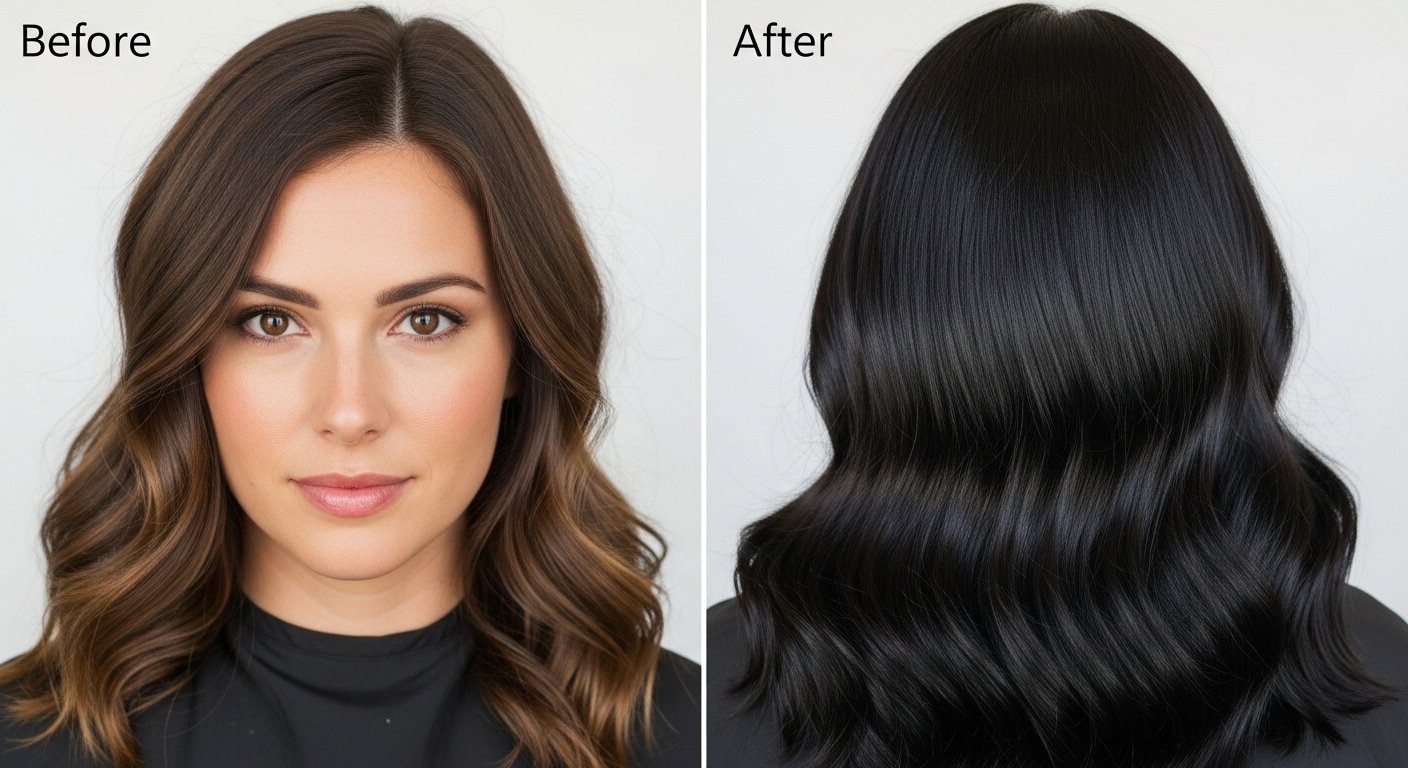
Yes, you can achieve rich, dark hair tones using coloration indigo naturally. This plant-based dye, derived from Indigofera tinctoria, offers a gentle alternative to chemical dyes, especially when combined with henna. It covers grays effectively, avoids PPD allergens, and conditions hair for a healthier feel.
Key Points
- Natural and safe: Coloration indigo is PPD-free, vegan, and gentle on sensitive scalps.
- Best results: Use the two-step process with henna for deep blue-black or dark tones; one-step mix for brown shades.
- Gray coverage: Excellent with proper application; may need repeat sessions for stubborn grays.
- Permanent: Binds to hair cuticle for long-lasting color (months, with fading over time).
- Challenges: Color develops over 48-72 hours via oxidation; improper mixing can lead to green tones.
Quick Start Guide
- Two-step for black: Apply henna first (4+ hours), rinse, then indigo (2-4 hours).
- One-step for brown: Mix henna and indigo together.
- Time commitment: 4-8 hours total, plus development time.
- Best for: Eco-conscious folks, DIY lovers, allergy sufferers seeking cool-toned dark hair.
Coloration indigo has been a staple in Ayurvedic hair care for centuries, offering a plant-powered path to deep, cool-toned dark hair without the harsh chemicals found in most salon dyes. If you’ve ever stared at your reflection, frustrated by grays popping up or allergic reactions to PPD, this could be the switch you’ve been waiting for. Picture this: glossy, conditioned strands in a rich blue-black or deep brown, all from powders sourced from the Indigofera tinctoria and Lawsonia inermis plants. It’s not magic, but it’s close—especially when you understand the process.
Many people turn to coloration indigo because it’s gentle on sensitive scalps and free from synthetic irritants. It coats the hair cuticle with plant-based pigments, providing semi-permanent to permanent results depending on your base and application. The color builds gradually through oxidation, meaning your hair darkens over a couple of days after rinsing. This slow reveal often surprises first-timers, but it’s part of the natural charm.
Switching to plant-based dyes makes sense for several reasons. First, it’s kinder to your scalp and strands—no ammonia, peroxides, or PPD that can cause itching, redness, or worse. Second, it conditions as it colors; users often report softer, shinier hair thanks to the natural tannins and oils in the plants. Third, it’s eco-friendly and vegan, aligning perfectly with clean beauty values.
For gray hair coverage, coloration indigo shines when paired with henna. The henna creates a warm base that helps indigo bind better, turning stubborn silvers into deep dark tones. On non-gray hair, it adds depth and coolness without lifting your natural color.
The most reliable way to get that coveted jet-black or cool dark shade is the classic two-step method. Think of henna as the foundation and indigo as the topcoat.
- Step 1: Henna Application Mix pure henna powder with warm water (or tea/coffee for cooler tones) to a yogurt-like consistency. Let it “dye release” for 4-12 hours (depending on the henna type). Apply to clean, dry hair, cover with a shower cap, and leave for 4-6 hours. Rinse thoroughly with cool water—no shampoo yet.
- Step 2: Indigo Application Right after rinsing henna (or within 48-72 hours), mix indigo powder with warm water (not hot) to a thick paste. Add a pinch of salt for resistant grays or aloe vera powder if hair feels dry. Apply immediately—the dye activates fast and loses potency if it sits. Section your hair, gloved hands on, and coat from roots to ends. Cover and leave for 2-4 hours. Rinse gently with cool water and a light conditioner.
The magic happens over the next 48-72 hours as oxidation turns the color darker and richer. Patience pays off here.
Want a softer dark brown or chocolate shade? Skip the two steps and mix henna and indigo together. A 50/50 ratio often gives medium brown, while more indigo (70/30) leans darker. Mix henna first, let it release, then stir in fresh indigo paste. Apply as one, leave 3-4 hours, and rinse. This method is quicker and still delivers beautiful results.
Here’s a handy table of common mix ratios:
| Desired Shade | Henna % | Indigo % | Notes |
|---|---|---|---|
| Reddish Brown | 70 | 30 | Warm base with subtle depth |
| Medium Brown | 50 | 50 | Balanced, everyday dark |
| Dark Chocolate | 30 | 70 | Cooler, richer tone |
| Jet Black (Two-Step) | 100 (first) | 100 (second) | Henna base essential for binding |
Grays can be tricky—they’re more porous and sometimes resist. Always do the two-step for best coverage. Add salt to indigo paste or apply on slightly damp hair post-henna. Multiple sessions might be needed at first, but maintenance touch-ups every 4-6 weeks keep it looking fresh.
On blonde or light hair, indigo alone can pull greenish. Always use a henna base first to avoid surprises.
- Green tones: Usually from indigo without henna—always pair them.
- Patchy results: Ensure even application and full coverage.
- Fading: Use sulfate-free shampoo; color lasts months with care.
- Smell: Herbal scent fades in days; add essential oils if desired.
Look for pure, organic options like Henna Sooq, The Henna Guys, or Morrocco Method. These are body art quality, free of additives.
Avoid shampoo for 48 hours post-rinse to let color set. Use gentle, sulfate-free products. Deep condition weekly. Touch-ups every 4-8 weeks keep roots blended.
- Start with a strand test.
- Invest in quality powders.
- Be patient with oxidation.
- Embrace the conditioning benefits.
- Enjoy the ritual—it’s self-care.
What natural hair experiments have you tried? Share your thoughts!
You May Also Like: Mastering Custom Apparel with Innovative Tools
How long does coloration indigo last?
It can last 4-8 weeks or more, fading gradually without harsh lines.
Is coloration indigo permanent?
It’s permanent on the hair shaft but grows out naturally.
Can I use coloration indigo on colored hair?
Yes, but strand test first; it layers over existing color.
Does it cover 100% gray?
With two-step and repeats, yes—highly effective.
Will it damage my hair?
No, it conditions and strengthens.
How long to leave coloration indigo on hair?
2-4 hours for indigo step.
Best for blonde hair?
Use henna base first to avoid green.
 Prime Star
  Siam
Siam