 By Apex Backlinks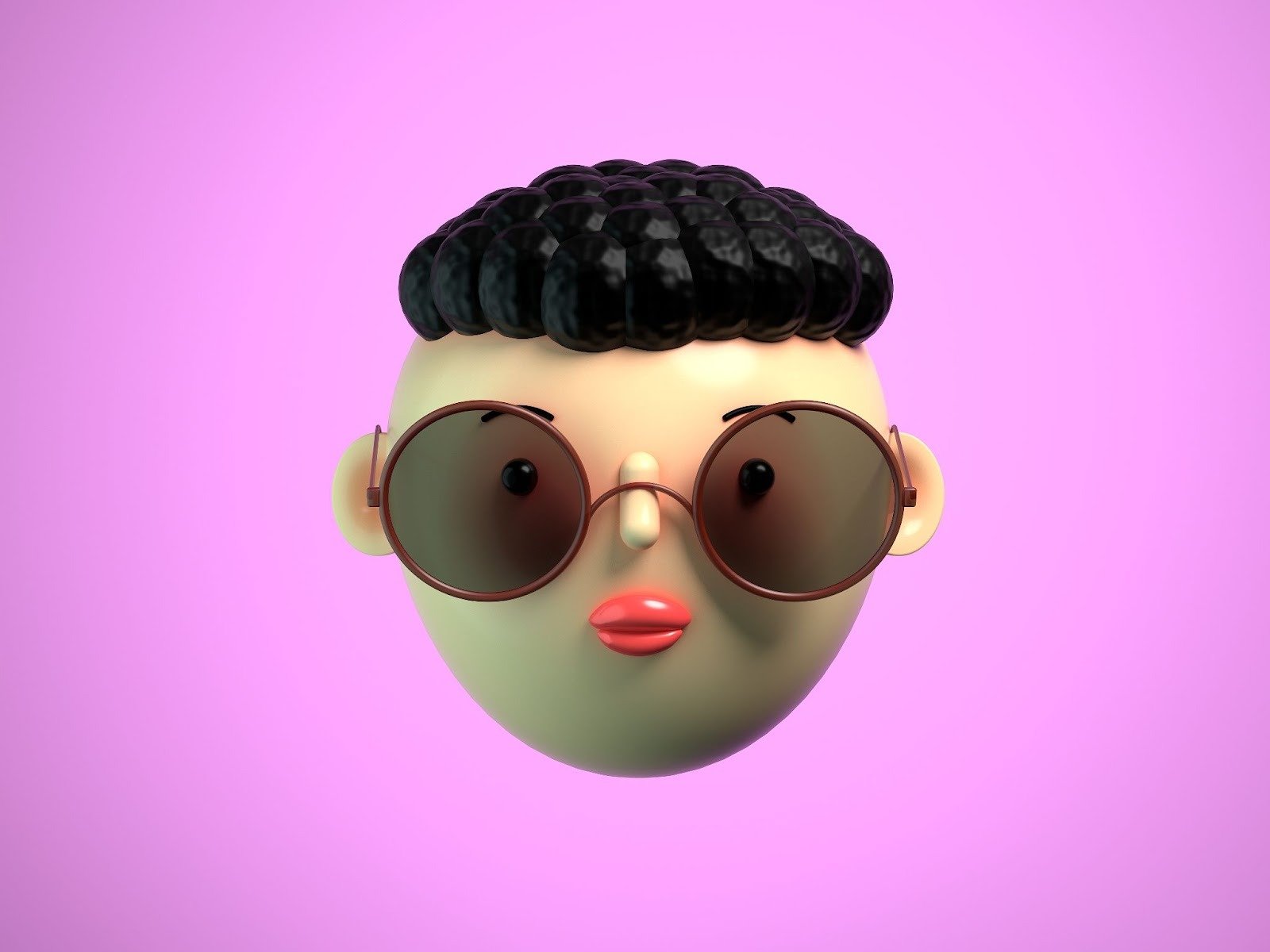
Most videos fail before they even start. Not because the idea is bad, but because getting on camera feels hard, awkward, or time-consuming. That friction kills consistency. AI avatars remove that friction completely.
Instead of filming yourself again and again, you can now create videos using a digital version of a person that speaks, moves, and delivers your message for you. These tools are not gimmicks anymore. They are production shortcuts used by marketers, founders, educators, and creators who care about speed and scale.
If you are looking for reliable tools that actually help you create videos for ads, social media, and explainers, this list breaks down 10 AI avatar tools that are worth your attention and explains when each one makes sense.
AI avatars solve three real problems.
First, they remove the need to be on camera.
Second, they cut production time dramatically.
Third, they help you create consistent video output at scale.
For teams and solo creators, that combination is powerful. An ai avatar maker lets you turn scripts into videos without lighting, microphones, or reshoots. That is why these tools now sit inside many modern ai video apps and content workflows.
Invideo is not just an avatar tool. It is a full video creation platform that includes AI avatars as part of a broader system.
What makes it stand out is context. You do not just drop an avatar onto a blank canvas. You start with an idea or script, and Invideo builds the video structure around it. Scenes, visuals, subtitles, music, and avatar narration come together in one flow.
This works well for:
- Product demos
- Explainer videos
- Social ads
- Training content
If you want an ai avatar maker that fits naturally into real video creation, not just talking-head clips, Invideo is a strong option.
Synthesia is one of the most recognized AI avatar platforms. It focuses heavily on professional, presentation-style videos.
The avatars look clean and controlled. The interface feels enterprise-ready. That makes it popular for:
- Corporate training
- Internal communication
- Educational content
- Simple explainers
Synthesia works best when you want clarity and structure, not personality-driven content.
HeyGen is built for speed and flexibility. It offers a wide range of avatars and supports different languages and tones.
Creators use it when they want:
- Fast turnaround
- Short-form social videos
- Marketing explainers
- Ad-style scripts
The platform balances ease of use with enough customization to avoid robotic output.
D-ID takes a different approach. Instead of pre-built avatars, it animates real faces from images.
You upload a photo, add a script, and the tool turns it into a talking video. This makes it useful when:
- You want a realistic look
- You want to animate a real person
- You are experimenting with creative formats
It is less about polished marketing and more about flexibility and experimentation.
Colossyan focuses on structured, educational content. It feels purpose-built for learning and development.
The avatars are simple and professional. The editor emphasizes clarity over effects. This makes it ideal for:
- Training modules
- Internal documentation
- Step-by-step tutorials
If your priority is information delivery, Colossyan does the job without distractions.
Elai positions itself as an AI video platform with avatar-first workflows. It supports slide-based videos, which works well for explainers and presentations.
Use cases include:
- Sales decks
- Product walkthroughs
- Educational videos
Elai fits teams that already think in slides and scripts rather than cinematic storytelling.
Hour One focuses on hyper-realistic avatars. The goal is to make AI presenters look as close to humans as possible.
This is useful when:
- Trust matters
- The video represents a brand
- You want a professional spokesperson feel
It is commonly used in corporate and enterprise contexts.
Rephrase.ai specializes in personalized video content. It allows brands to generate videos that appear tailored to individual viewers.
This works well for:
- Sales outreach
- Personalized ads
- Customer engagement videos
It is less about mass content and more about targeted communication.
DeepBrain AI offers news-anchor-style avatars and presentation-focused formats.
It is popular in:
- Media-style content
- Informational videos
- Business communication
The tone is formal, but the output feels polished and consistent.
Veed is known as a simple video editor, but it also includes AI avatar features. The advantage here is accessibility.
You get:
- Basic avatars
- Simple editing tools
- Fast exports
It is a good option if you want light avatar usage without committing to a specialized platform.
Not every tool fits every goal. The best choice depends on what you are actually trying to create.
Choose a tool like Invideo if:
- You want a complete video workflow
- You create ads or social content
- You need speed and flexibility
Choose presentation-focused tools if:
- You make training or internal videos
- You value structure over style
Choose image-based or experimental tools if:
- You want creative freedom
- You are testing new formats
The mistake most people make is picking the most popular tool instead of the most practical one.
AI avatars are not here to replace creators. They replace friction.
They help you:
- Publish more consistently
- Test more ideas
- Scale content faster
That is why many ai video apps now include avatar features by default. They are becoming a standard part of video creation, not a novelty.
An AI avatar maker works best when paired with good scripting and clear intent. The tool does the delivery. You still control the message.
Many AI avatar videos fail for simple reasons.
Overloading the script: Avatars work best with short, clear sentences.
Trying to sound too human: Clarity beats personality in most cases.
Using avatars where real emotion matters: Some content still needs a real face.
Ignoring pacing: Short videos perform better than long monologues.
AI avatars are no longer experimental tools. They are production assets. Used correctly, they help you create more videos with less effort and fewer blockers.
If your goal is to create explainers, ads, or social videos without filming yourself every time, an AI avatar maker is a practical solution. Tools like Invideo stand out because they place avatars inside a real video creation system, not in isolation.
Choose a tool based on how you work, not just what looks impressive. When avatars support your workflow instead of complicating it, they become a real advantage.
 Prime Star
  John Arthur